Abstract
Sustainable fashion and the circular economy are shaping consumer behaviour like never before. The increasing demand of textile-based goods in the apparel and non-apparel industries has led to pollution emissions from manufacturing and post manufacturing processes, which have depleted natural resources and degraded the environment. As a result, the sustainability analysis now includes the pre- consumer and post-consumer activities of textiles and clothing. By implementing resource-saving techniques like recycling, reuse, and repair, the said concerning issue can be addressed. Therefore, this study aims to examine the influence of the Attitude towards Slow Fashion (ASF) on Sustainable Disposable Behaviour (SDB) and Sustainable Fashion Consumption (SFC). Theory of Planned Behaviour (TPB) was extended by adding Environmental Awareness towards Sustainable Fashion (EASF) and Knowledge on Sustainable Fashion Practices (KSFP) as ASF predictor and Self-expressiveness (SE) as predictor for SFC. Through the use of an online survey questionnaire, data was gathered at random from 272 customers across State of Tamil Nadu, India. Partial Least Squares structural equation modelling has been used for carrying out the data analysis. According to the results, knowledge of sustainable fashion practices, environmental awareness of sustainable fashion, and sustainable fashion consumption are all mediated by attitudes towards slow fashion. Furthermore, this actual interaction leads to a favourable correlation with Sustainable Disposable Behaviour. According to research findings, customers favour eco-friendly apparel since they care about and are conscious of contemporary environmental problems. As a result, their perception of sustainable fashion is influenced by their understanding of sustainable fashion practices and environmental awareness, which leads to a growing desire to purchase more sustainable clothing and engage in sustainable disposable behaviour in an effort to lessen their impact on the environment. The findings of the study could benefit the policy makers to pave the way for improving the consumers for adopting the suitable practices towards sustainable fashion.
Keywords: Environmental Awareness, Knowledge on Sustainable Practices, Sustainable Fashion Consumption, Slow Fashion, Sustainable Disposable Behaviour, Partial least squares structural equation modelling
1. Introduction
The growing population and adopting the concepts like fast fashion, fresh look and trend in the lifestyle have resulted the tremendous clothing production and consumption in the recent years [1].
The rise in new clothes sales has also led to a variety of clothing disposal techniques, including littering, reusing, recycling, and burning. The impact due to waste disposal by the clothing and other industry has created significant environmental impact and becoming the important concern for the ecological balance. In developed countries, the disposed garments are ended up either landfills or incinerations. In the recent years, repurposing, recycling the used materials and slow fashion are gaining momentum [2].
Now a days, various solid management methods like landfilling, incineration, composting etc are practiced by the different industries for improving the sustainable environment [3].
The landfilling method is easy, adjustable with lesser cost than the rest of disposal methods due to the activities such as disposal, compression and embankment filling by waste at the specified sites [4,5].
But, the gas emissions, waste or dust blown by the wind from landfill sites have alarmed the government to create awareness on sustainability measures like recycling, circular economy, slow fashion, instant fashion, environmental conservation, etc to the consumers [6].
Consumer awareness on environment is influenced by sustainable practices in controlling the land pollution, water pollution, air pollution, product development and disposal, etc. [3,7].
However, there is a lack of research in the sustainable fashion consumption with regard to knowledge, attitude, personal interest and disposal. So the study is carried out to explore the process by which a consumer may adopt sustainable fashion consumption and disposal behavior. In this context, conceptual framework and definition of the construct for the proposed model along with a structure questionnaire is framed by using the findings of earlier research work.
Afterwards, the collected data was analyzed and presented the results and findings with limitations discovered in this study. The result of this research will address the requirement for improving consumer’s sustainable fashion consumption and sustainable clothing disposal behaviour.
2.Theoretical Framework and Hypothesis
According to theory of reasoned action (TRA), a person’s attitude towards a behaviour and subjective norms determine their behavioural intention [8,9]. Behavioural intention assesses a person’s relative ability to engage in a behaviour [10]. Beliefs on the repercussions of engaging in a behaviour include attitude. A person is more likely to exhibit good behavioural intention towards a behaviour if they have a positive attitude towards it [9,14]. A person’s perceived expectations from pertinent individuals and their intention to live up to these expectations are considered to be the two main components of a subjective norm [8]. Therefore, it is believed that a person will be more inclined to engage in a behaviour if they feel that others want them to and are motivated to follow [15].
2.2. Knowledge on Sustainable Fashion Practices and its influence on Attitude towards Slow Fashion
The risks of using garments in an unsustainable manner go beyond the dangers of doing laundry [18]. Intensifying and extending the usage of clothing is one of the most effective way to reduce the environmental impact [19]. Increased garment use can pave the way for a stronger emotional bond and attachment to one’s wardrobe, which promotes longevity [20]. In order to reduce fashion waste, adopting sustainable use methods enables clothing users to wear their clothes for longer periods of time and more intensely, which reduces the need to buy new items or throw away old ones [19].
Three key dimensions—wear, care, and repair—have been used to describe sustainable garment use practices. [21]. The concept of sustainable wear is based on the regular interaction between clothing users and the organisation of their wardrobes, which enables the discovery of a variety of methods to wear underutilised garments [22]. Sustainable clothing practices emphasise a higher degree of awareness and thoughtful decision-making while actively maintaining and interacting with one’s wardrobe [23].
Finally, the consumer can extend the lifespan of their wardrobe by having learnt the fundamentals of clothing repair [24]. Invisible or visible mending by self or an expert to patch holes, replace buttons, or fix seams are examples of sustainable repair practices [25]. As a result, sustainable wear, maintenance, and repair methods are seen as several aspects that gauge sustainable use practices, which lead to a reduction in the amount of clothes consumed. Therefore, the hypothesis is suggested as follows
H2: There is a positive association between Knowledge on Sustainable Fashion Practices and its influence on Attitude towards Slow Fashion
2.3. Sustainable Fashion Consumption and its relationship with Sustainable disposable
Behaviour
A behavioural response in any situation is influenced by the various factors like person’s intention, past experience, the context’s inherent constraints, etc [26,27]. A person’s behaviour depends on the situation. Human behaviour in social contexts like emotional components could be described by using the Theory of Interpersonal Behaviour (TIB). Furthermore, behavioural performance is strongly impacted by habit, supportive environments, and behavioural intention. Consequently, both cognitive and emotional factors have influenced the decision [28-31]. A habit turns into a routine when the routine activity gets more frequent and the consciousness level decreases [30-32].
The several stages of sustainable fashion production and consumption include textile production, apparel manufacture, distribution, after the sale, and clothing disposal. In the apparel supply chain, the success of the transition to sustainable consumption is contingent upon responsible consumption and disposal after use. Therefore, understanding how to properly dispose of clothing is crucial to eventually lowering landfill waste. Certain behaviours, like reusing, recycling, gifting to charities, selling used clothes at second-hand stores, or throwing them away, can change how people get rid of their clothes [33,34]. Thus the hypothesis is proposed as follows
H3: There is a positive association between Sustainable Fashion Consumption and its
relationship with Sustainable disposable Behaviour
2.4. Environmental Awareness towards Sustainable Fashion and its Attitude towards Slow Fashion
Consumer perceptions of items that aim to protect the environment are positively impacted by environmental concern [35-37]. Consequently, it must be examined in light of pro-environmental concerns [38–40]. The relationship between environmental knowledge and attitude is interceded by environmental concern [41-43]. Generally, environmental concern is related to views on a variety of ecological issues [44]. This characteristic has grown in significance for academics and professions throughout time. Because environmental concern is measured by various factors which includes a broad set of environmental ideas and attitudes [45]. The study has shown that people with more concerned about the environment are more likely to take action to protect it by consuming more sustainable products. This suggests that this variable can have a significant impact on consumer behaviour [45-46]. However, this guarantees that environmental concern has a direct effect on the repercussions faced for the actions during the specific events [47]. Furthermore, it is noted that extremely high scores have been obtained when assessing attitudes that support the environment. This findings have indicated that the environmental concern variable gained weight when other factors like finances and health are included. According to the findings of the earlier study, purchase of sustainable fashion items is steadily increasing by the consumer towards sustainability. As a result, understanding the consumer perspective regarding sustainability in fashion products is essential for meeting domestic and international market competitiveness [48]. Hence, the hypothesis is proposed below for the environmental concern and consumer attitude.
H4: There is a positive association between Environmental Awareness towards Sustainable Fashion and its Attitude towards Slow Fashion
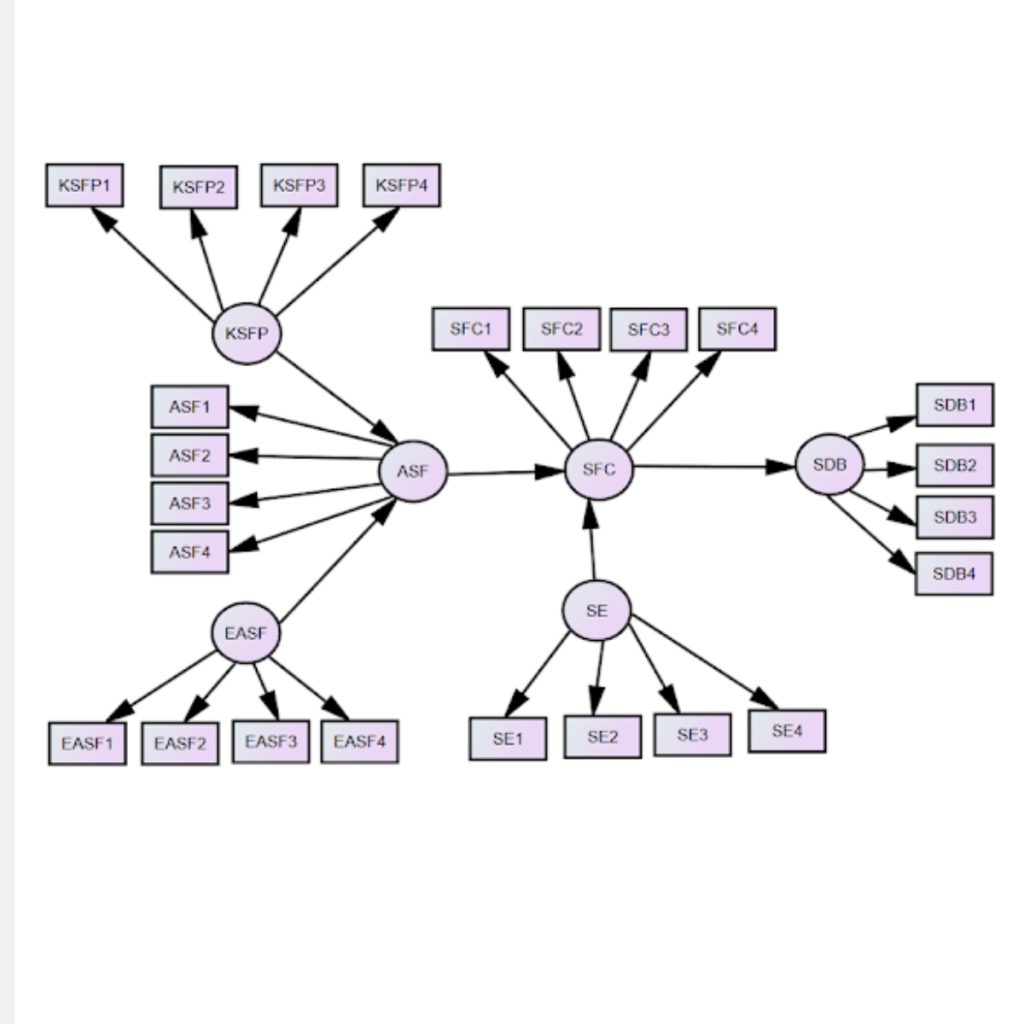
Figure 1.
Proposed Theoretical model and Knowledge on Sustainable Fashion Practices (KSFP), Environmental Awareness towards Sustainable Fashion (EASF), Attitude towards Slow Fashion (ASF), Sustainable Fashion Consumption (SFC), Self-Expressiveness (SE), Sustainable Disposable Behaviour (SDB).
2.5. Self-Expressiveness and Sustainable Fashion Consumption
Self-expressiveness refers to a person’s belief that they can wear and buy sustainable apparel as a way to express who they are [49]. It is especially significant in the fashion industry and is associated with the desire to show one’s own attitude in order to attract attention and receive approval from others. Consequently, the potential to be seen as an environmentally conscientious individual may wear sustainable materials [50]. An individual’s compassionate behaviour originate from an internal structure of principles and a moral imperative [51]. Thus, personal rules and moral obligations may be closely related. While those with lower personal norms may resist pro-environmental behaviour and vice versa. Growing awareness about environmental degradation in the fashion business have resulted the customers’ personal values to move from being self-centred to more society-centered [52]. It has been found from the earlier research findings that there is a positive correlation between personal apparel consumption and personal norms [53]. Hence, the hypotheses is proposed as follows.
H5 : There is a positive association between Self-Expressiveness and Sustainable Fashion Consumption
3.METHODOLOGY
3.1 Research Design and Sample collection
This study is carried out in the context of consumer’s sustainability fashion behaviour from the consumers randomly in different parts of State of Tamil Nadu, India through online. Quantitative non-experimental research has been used without changing independent variables. Online questionnaires have been used to collect the data from consumers. The questionnaire has been developed based on the literature review and validated through experts from the respective domain. The questionnaire comprises a few demographic information and 24 items associated with the six factors namely, Sustainable Fashion Consumption, Environmental Awareness towards Sustainable Fashion, Attitude towards Slow Fashion, Knowledge on Sustainable Fashion Practices, Sustainable Disposal Behaviour, Self-Expressiveness. In order to prevent non-response bias, the online questionnaire first explained the study’s purpose before stating: “Your participation requires about ten minutes.” Your involvement is anonymous and entirely voluntary. As a result, the data collected is private and will only be utilised for study. In order to guarantee the ethical element of the research, two questions were then developed, each with a yes or no response: “I understand that my participation is by choice,” and “I understand the objectives of this research.” Participants who answered “yes” to the two questions were taken into consideration for the study. A component of the survey sought for sociodemographic data, including age, gender, marital status, education, and residential area. Five point Likert scale (1 = Strongly disagree, 2 = Disagree, 3= Neutral, 4 = Agree, 5= Strongly agree) is employed for all the statements in the questionnaire. So that, highest scores revealed a more positive response for all of the items.
3.3.Sample :
A non-probability sampling technique was used to get the data because the researchers chose the respondents based on their judgement. As a minimum, responses were required to examine the relation between the variables presented, taking into account a 95% confidence range, 5% margin of error, and population percentage of 0.8. Nonetheless, 272 legitimate responses from State of Tamil Nadu, Indian customers participated the survey. The survey link has been distributed by email and social media and followed the snowball technique further.
3.4. Data Analysis :
The responses had cleaned and encoded using Microsoft Excel because this is a quantitative study. The link between the constructs was then measured by analysing the data using the SmartPLS tool. PLS-SEM, or variance-based SEM, was employed because it is an exploratory analysis. In the present work, PLS-SEM was employed for samples that do not have a normal distribution and necessitate a non-parametric analysis. Further, The model’s performance is illustrated by using PLS-SEM, which provides the R2 values and highlighting the significance of relationships between the variables. Moreover, PLS-SEM may manage numerous independent variables concurrently [54]. Cronbach’s alpha reliability coefficient, construct and discriminant validity, and internal consistency through composite reliability have been used to assess the subscales’ internal consistency [55]. The loads of each indicator were measured in order to assess its reliability. The model’s fit was examined by using the average extracted variance. Additionally, the discriminant validity was calculated by using the Fornell–Larcker criterion [56,57].
4. Results
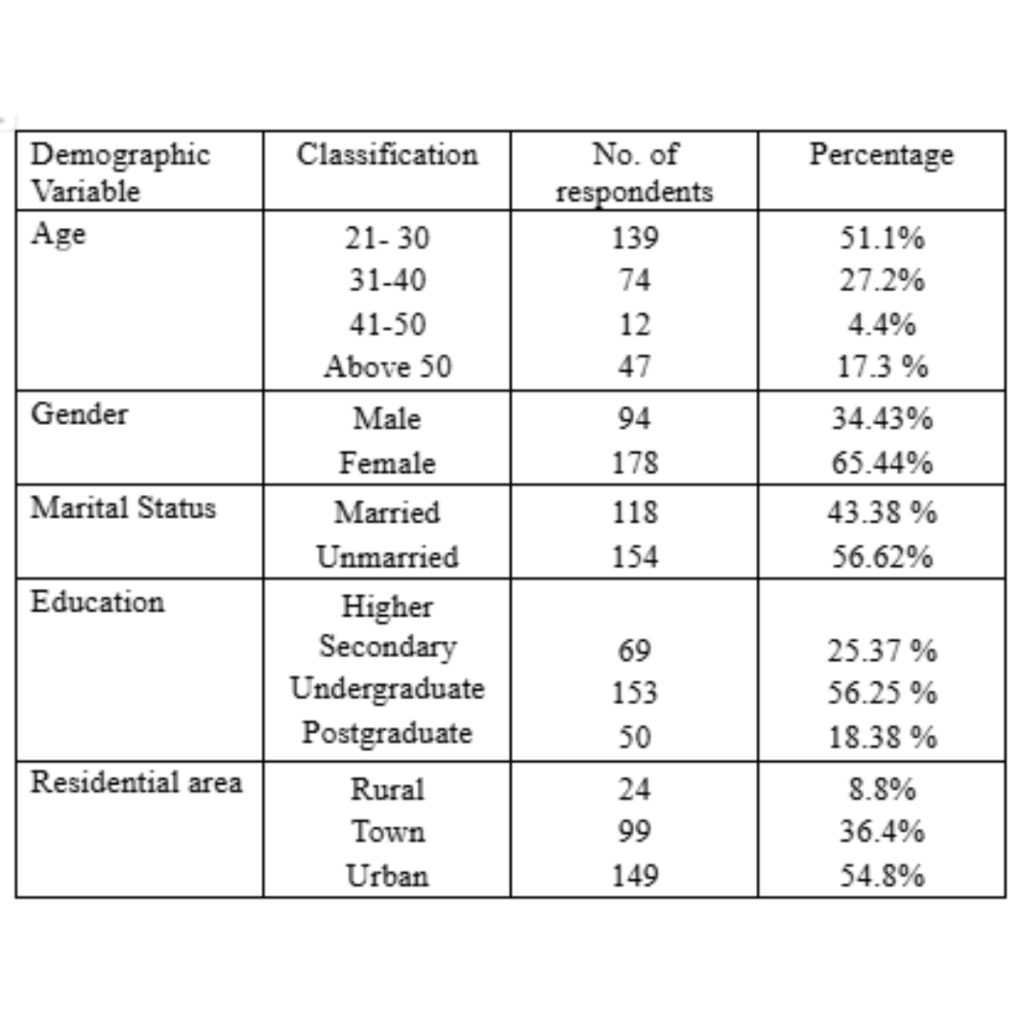
The demographic information of the consumers are presented in Table 1. Of these 272 consumers, Most of the respondents (51.1%) are in the age category of 21 to 30 years and small number of respondents (4.4%) are in the age category 41 to 50. The other age group categories 31 to 40 years and above 50 years are 27.2 % and 17.3 %, respectively. On gender category, maximum respondents are female (65.44%) and the rest are male (34.43%). On the marital status, 43.38% of respondents are married, and 56.62% are unmarried.
Based on the educational qualification, maximum respondents (56.25%) are undergraduate education, and small number of respondents (18.38%) are Post graduate education. It is also revealed based on the residential area that the respondents of Rural, Town and Urban areas are 8.8%, 36.4% and 54.8%, respectively.
4.1. Measurement Model Assessment
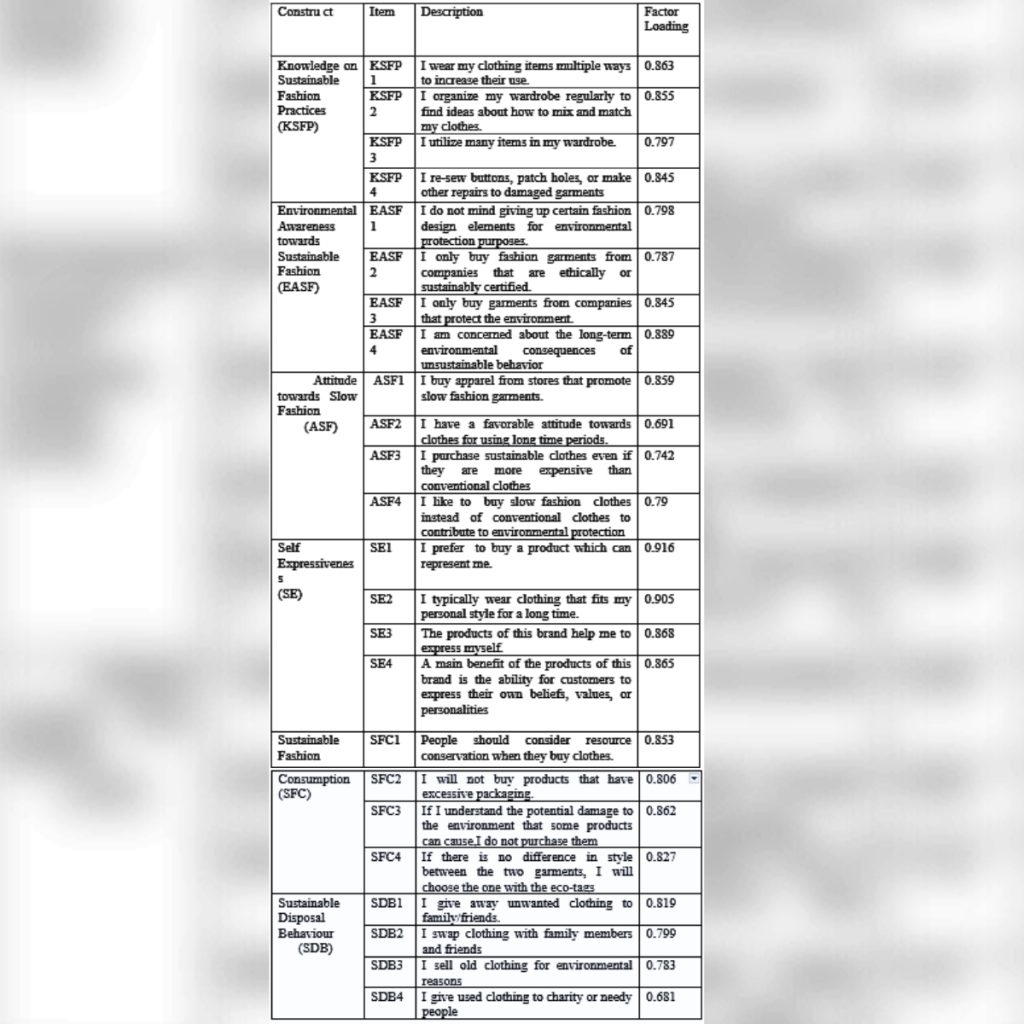
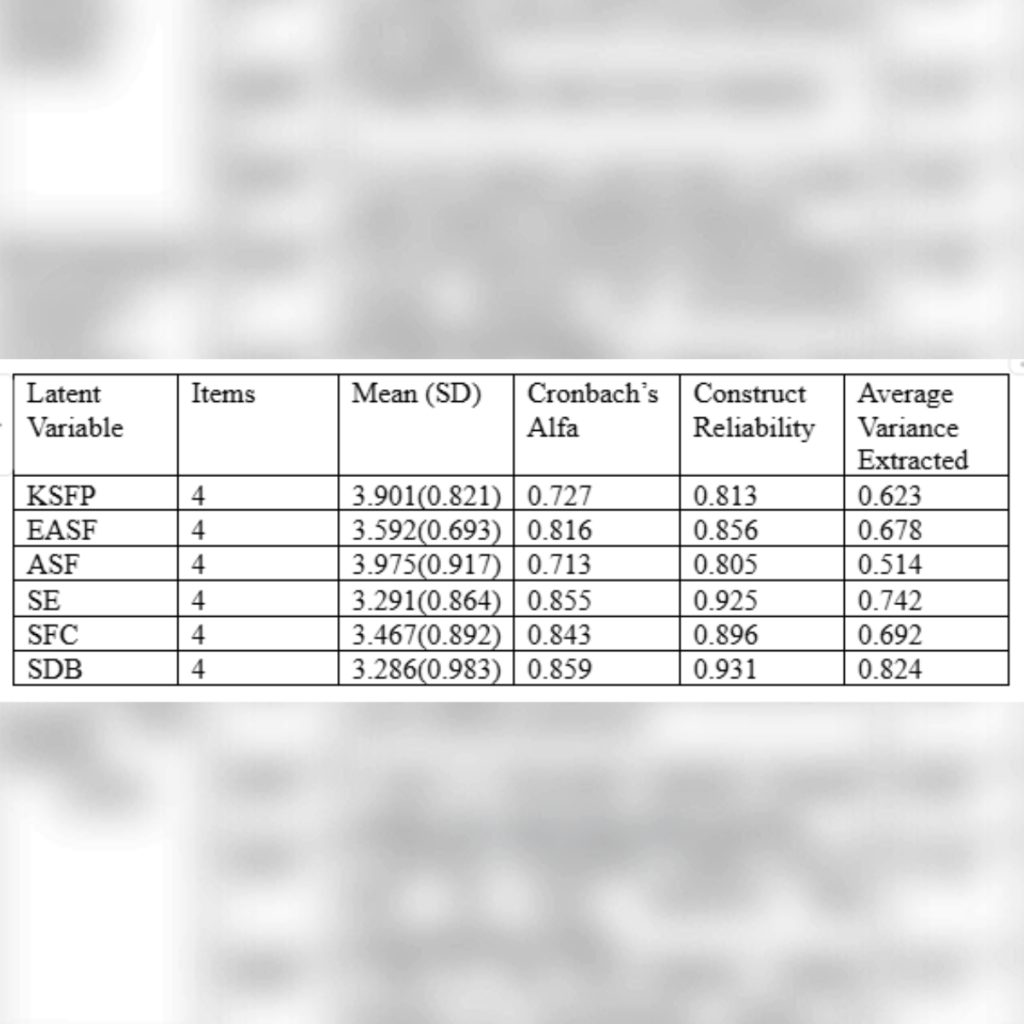
The PL-SEM was used with 300 iterations in order to assess the correlational relationship between each item and construct with regard to factor loadings [54]. It has been observed that, except for the items ASF2 and SDB4, others have the factor loading value more than 0.7, which is considered satisfactory. The items, construct and factor loading are mentioned in Table 2.
It has been observed from the common method bias analysis that the model was free of common method bias, as variance inflation factors were less than 3.3. As the Cronbach’s alpha value is more than 0.6, internal consistency is good [58]. Convergent validity is satisfactory as the AVE is more than 0.5 as mentioned in Table 3.
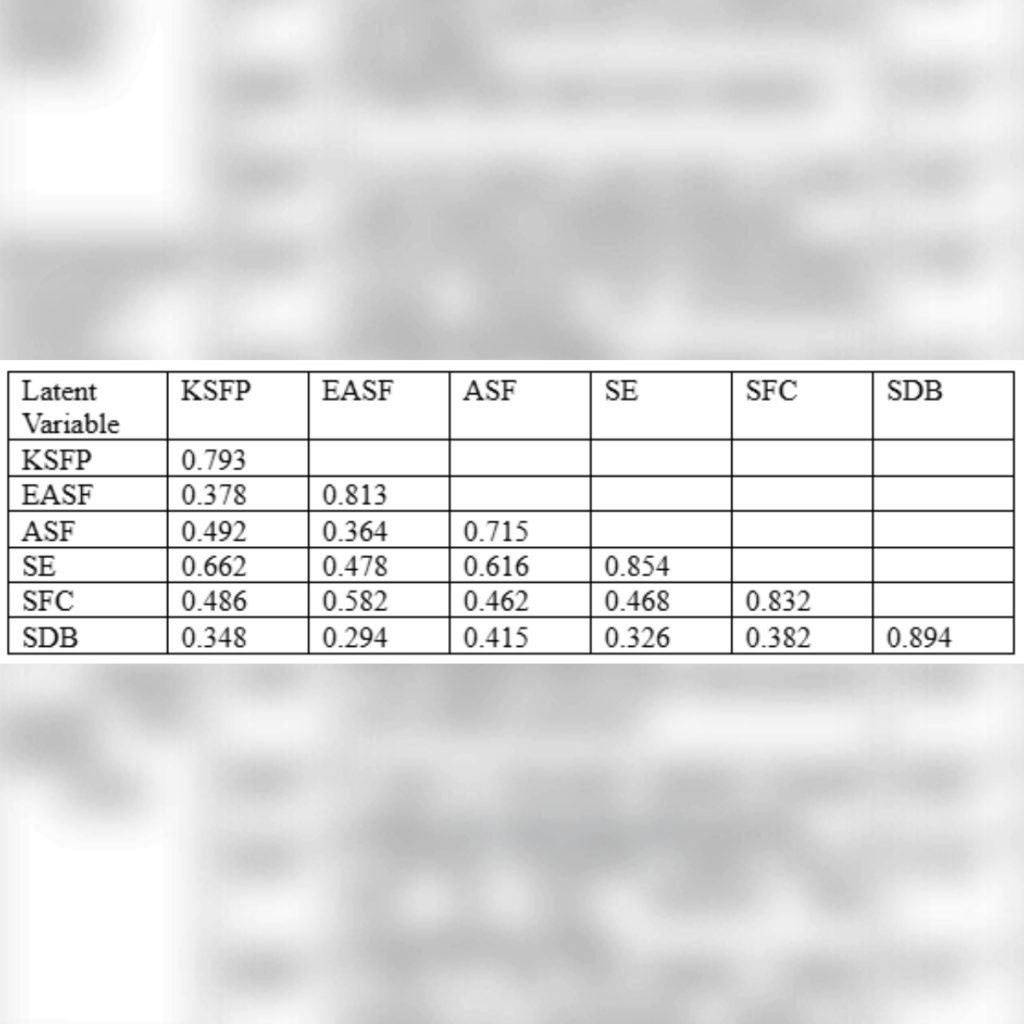
Discriminant validity has been checked and analysed by using Fornell-Larcker criteria and Heterotrait- Monotrait (HTMT) ratio. It is noted from Table.4 that shared variants are not significant than their respective AVE’s.
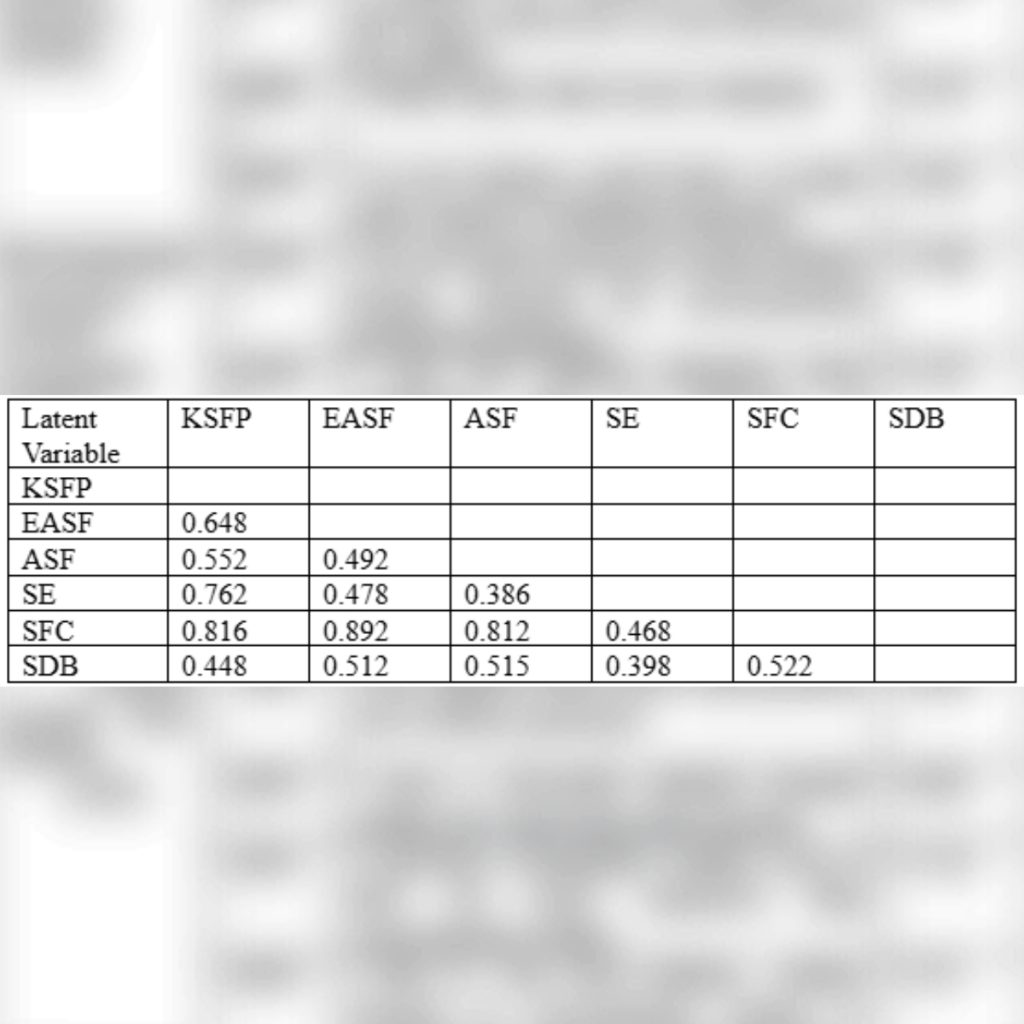
The Discriminant validity of the items are assessed by using heterotrait-monotrait ratio of correlation approach due to its higher specificity and sensitivity rates in comparison to tcross-loading criterion and Fornell–Larcker criterion [53,54] where all values were less than 0.9 (Table 5).
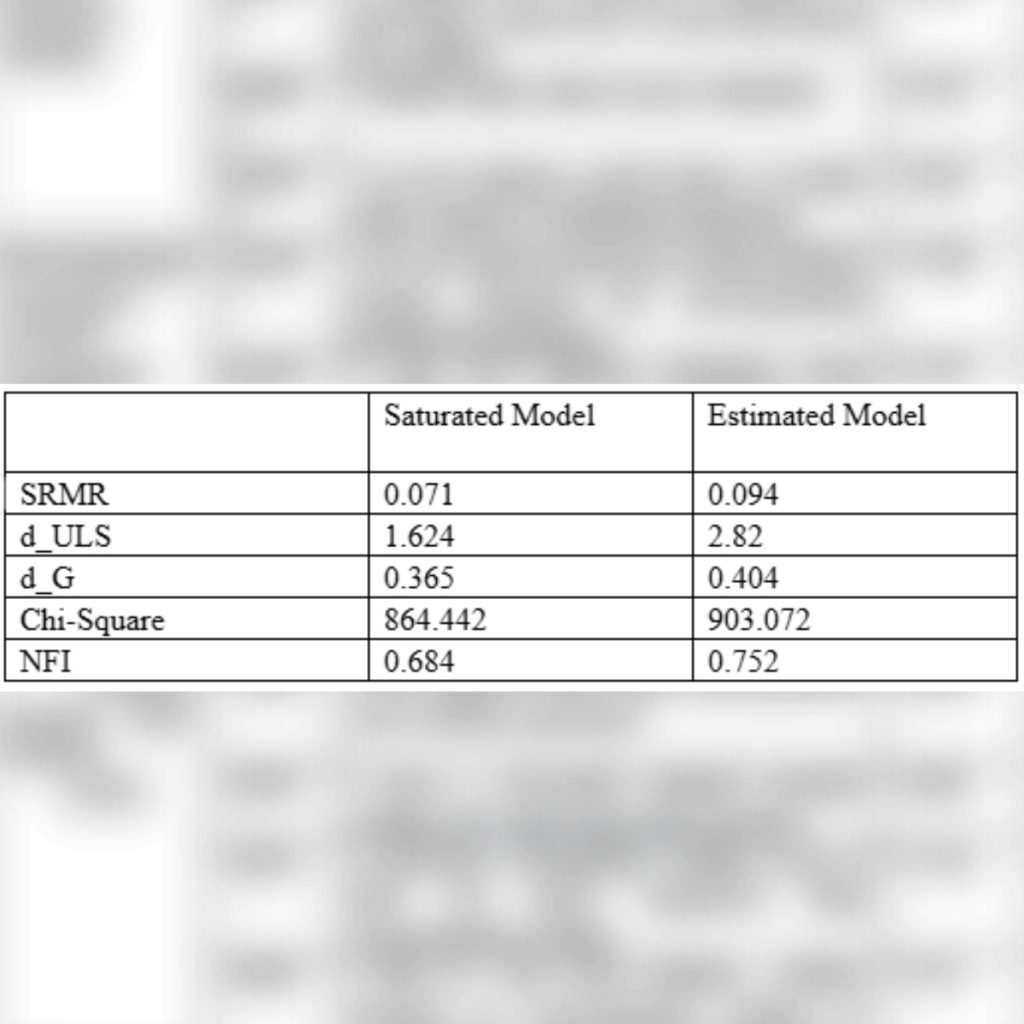
The global model fitting criterion is the Standardized Root Mean Squared Residual (SRMR), and the SRMR value for an adequate fit is less than 0.08. The values of the saturated model and estimated model for d-ULS and d_G should be close for a good fit of the model. An NFI close to 1 means a good fit (Table 6).
4.2 Structural Model Assessment
Regarding the formative evaluation of the model, the variance inflation factor (VIF) is analyzed. Values range from 1.204 to 2.830, demonstrating collinearity issues since these last values are below three [51]. The last step relates to statistical significance and relevance using Bootstrapping with 5000 iterations. As shown in Table 7, all the relations were significant (p-values < 0.05).
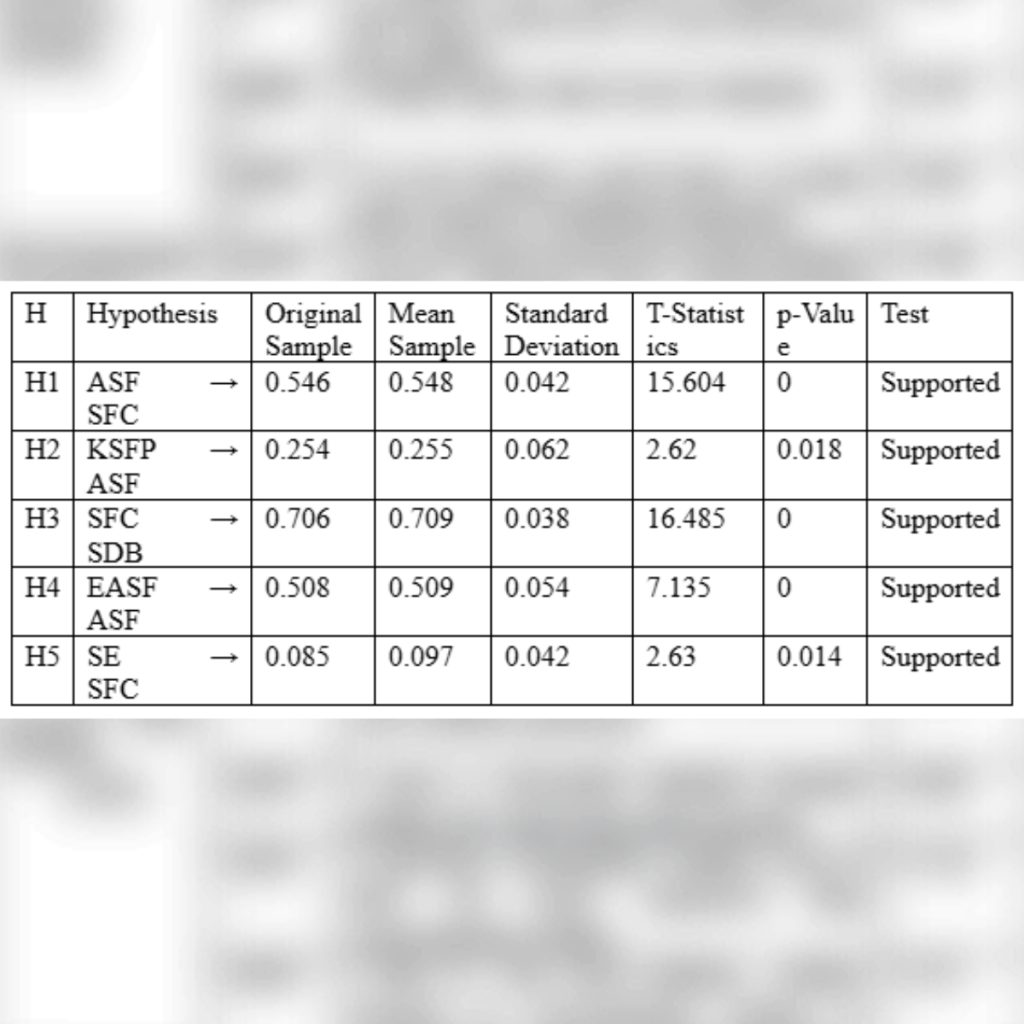
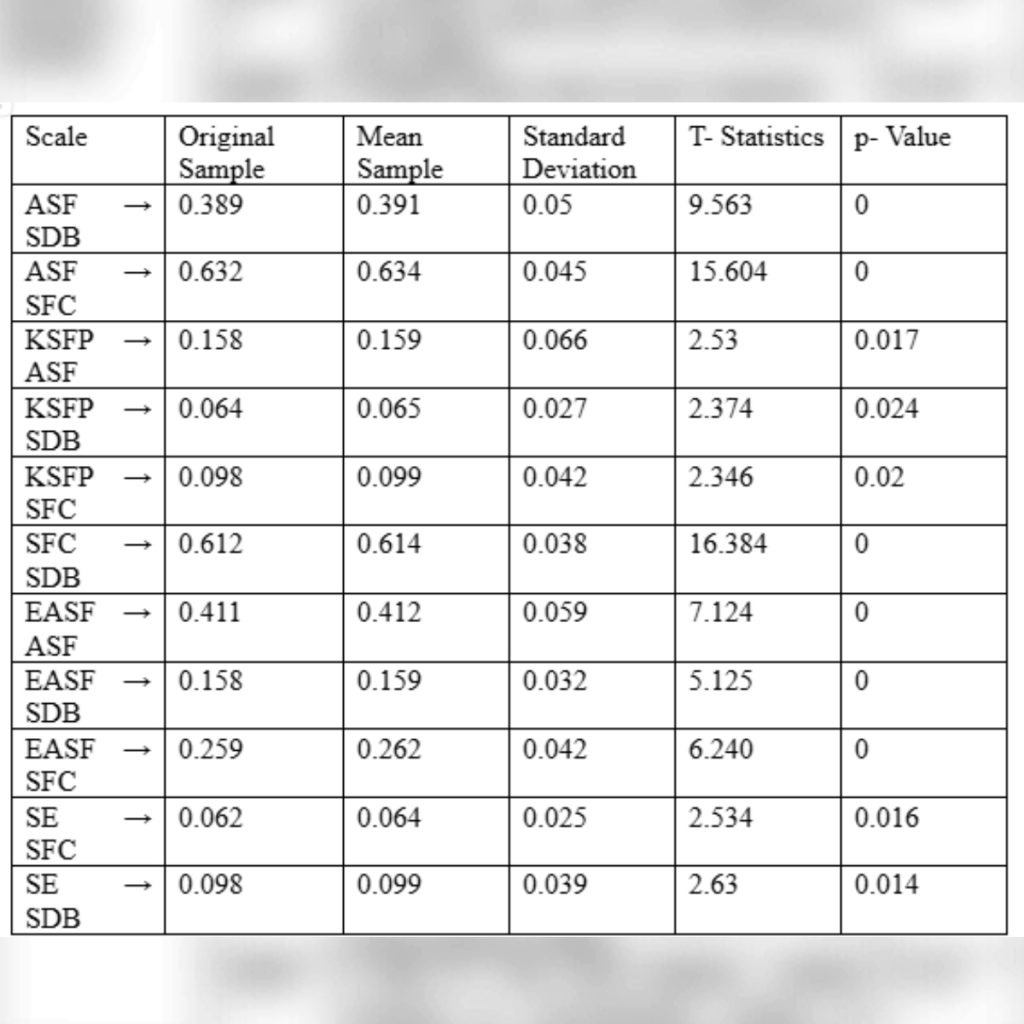
Table 8 shows the total effects of each relationship, which are the sum of the direct effect and specific indirect effects. As we can see, all of them remained significant and thus supported. For instance, Environmental Concern and Perceived Environmental Knowledge affect attitude. Moreover, this last variable influences Purchase Intention.
Table 9 shows specific indirect effects related to mediation. All of them are significant. For instance, we corroborate that Attitude towards Slow Fashion acts as a mediator between Environmental Awareness towards Sustainable Fashion, Knowledge on Sustainable Fashion Practices, and Sustainable Fashion Consumption. Furthermore, adding Sustainable disposal behaviour in this relation is also valid, demonstrating that Sustainable Fashion Consumption influences behavior, corroborating the Theory of Reasoned Action.
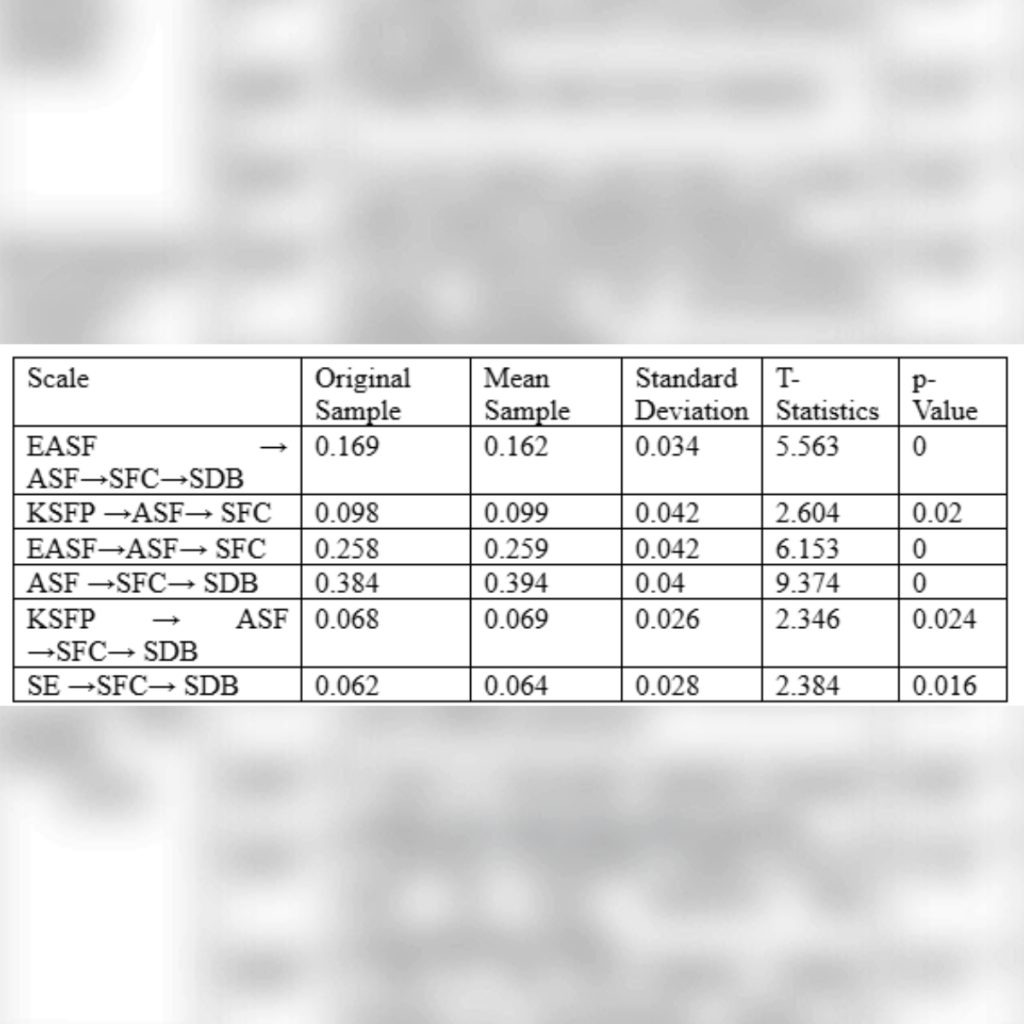
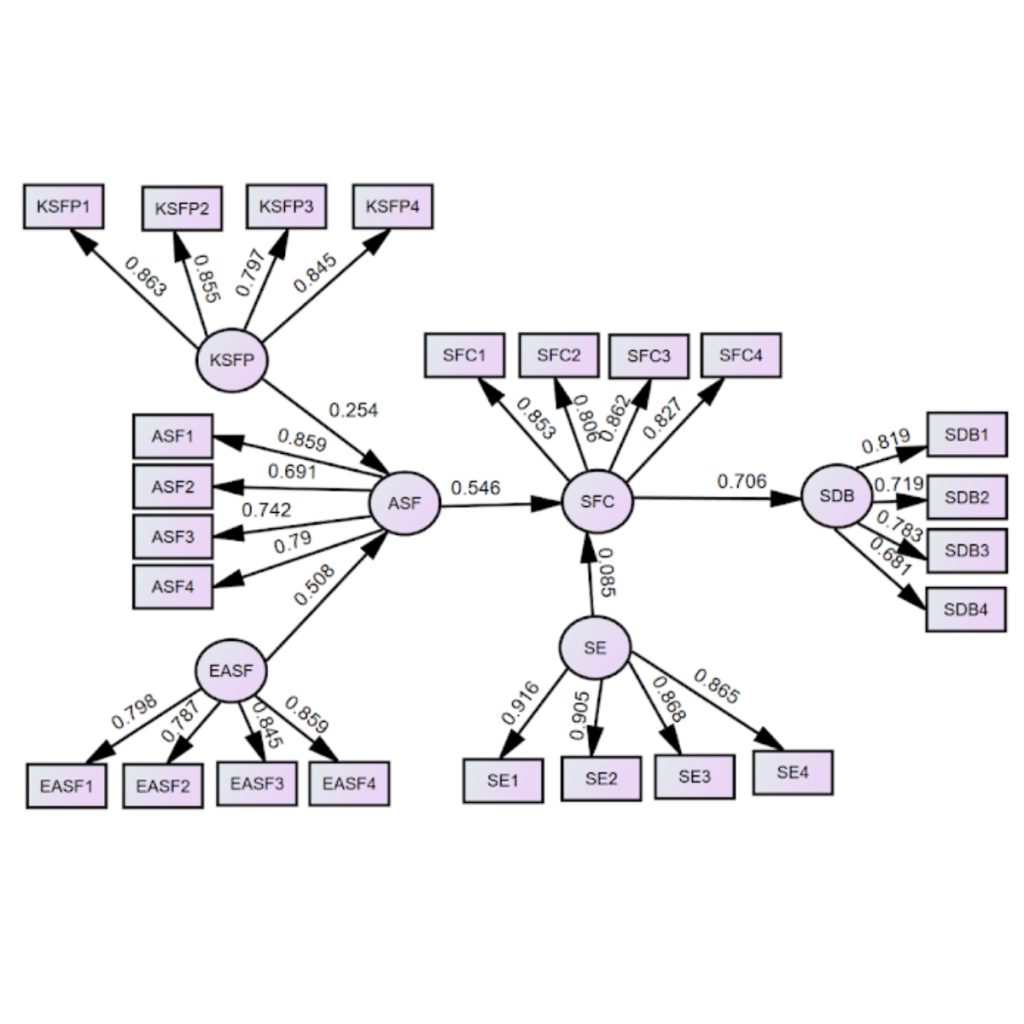
Figure 2 shows the model tested, indicating the relation between the variables and showing that the model explain 36.7% of the dependent variable Sustainable Fashion Consumption.
Tested Research model. and Knowledge on Sustainable Fashion Practices (KSFP), Environmental Awareness towards Sustainable Fashion (EASF), Attitude towards Slow Fashion (ASF), Sustainable Fashion Consumption (SFC), Self-Expressiveness (SE),Sustainable Disposable Behaviour (SDB).
5. Discussion
The current study evaluated the effect of Environmental Awareness towards Sustainable Fashion (EASF) and Knowledge on Sustainable Fashion Practices (KSFP) on Attitude towards Slow Fashion (ASF), as well as the effect of ASF and Self-Expressiveness (SE) on Sustainable Fashion Consumption (SFC), and finally the effect of SFC on Sustainable Disposal Behaviour (SDB) .The outcomes showed that consumers the relationship between the study variables was significant (p-value < 0.05). The reported relationships allow us to recognize that a greater attitude towards environmental care can be achieved if EASF is increased as has been reported previously [59]. Likewise, it has been reported that increase in KSFP has a positive effect on the ATT [56]. The effect of ASF on Sustainable Fashion Consumption (SFC)coincides with previous reports as well as the effect of Self-Expressiveness (SE) on Sustainable Fashion Consumption (SFC [60]. Following the Theory of Reasoned Action, the results corroborated the effect of Sustainable Fashion Consumption on Sustainable Disposal Behaviour (SDB) as previously reported [61]. Focusing on the mediating role of attitude towards sustainable fashion reflects how consumers evaluate the actual Environmental Awareness towards Sustainable Fashion, and Knowledge on Sustainable Fashion Practices [62]. Moreover, some researchers found that the specific indirect effect between Environmental Awareness towards Sustainable Fashion and Sustainable Fashion Consumption through Attitude towards Slow Fashion was higher than a simple direct relationship [63]. This is due to current influence of Environmental Awareness towards Sustainable Fashion on Attitude towards Slow Fashion. It has been reported that if consumers are aware of the impact of conventional products, they will more likely turn to an eco-friendly consumption pattern and enhance their attitude towards sustainable products [64]. The specific indirect effects allowed us to show that the attitude and the Sustainable Fashion Consumption had a mediating effect in the model. This verification is of practical use because it can help companies to know the different variables that could influence in a cascade the consumption and disposal behaviour of sustainable fashion.
6.Conclusion :
The model for Consumer’s Fashion Sustainability behavior is developed through the Structural Equation Modeling approach which provides a guideline for improving sustainable consumption and disposal for fashion clothing. The continuous degradation of the environment by clothing increases the environmental awareness towards sustainable fashion and their genuine concerns regarding the impact of human behaviours on the earth. Consequently, their attitude towards sustainable fashion rises, and they become more willing to purchase them. It has also proven that the actual decision process onf purchasing sustainable clothing is not based on social norms such as family and friends’ recommendations, which means that it is a more internal decision made by consumers. This study provides important information regarding the actual predictors of sustainable clothing consumption. Furthermore, we extended the TRA by adding environmental antecedents currently considered relevant. The study findings would be helpful for policymakers, textile and garment manufacturers, and retailers to develop strategies for improving the consumer’s awareness and knowledge towards sustainable fashion.
6.1. Theoretical Implications
The contribution of this research to the academic literature is in the application of theories previously demonstrated in other situations and contexts [65]. Indeed, the extension of the TRA by adding predictors such as environmental concern and perceived environmen- tal knowledge showed how consumers care about their environmental impact, resulting in an adoption of sustainable consumption behaviors [66,67]. Consumers with a high degree of environmental concern are more willing to act and reduce their environmental impact. Consequently, they tend to buy and consume green products, corroborating what other researchers have stated [68]. This last variable can be complemented with perceived environmental knowledge, in which the high degree of awareness of current environmental issues and the impact of human actions on the ecosystem is reflected in the adoption of sustainable consumption [69].
As stated earlier, green purchase behavior is related to the actual consumption of products with a minimum impact on the ecosystem[70]. Indeed, Environmental Awareness towards Sustainable Fashion through Attitude towards Slow Fashion affects consumption behaviour [71]. Moreover, knowledge on environmental sustainable fashion practices, self-expressiveness, and sustainable consumption influence sustainable disposable behaviour [72]. Nonetheless, the small beta coefficient between self-expressiveness and sustainable fashion consumption validates the previous literature [73].
6.2.Practical Implications
The findings of the research imply that customers favour eco-friendly apparel due to their enviornmental awareness and knowledge on sustainable fashion practices. As a result, their attitude towards slow fashion leads to a greater desire to sustainable fashion consumption and disposal behaviour. By creating eco-friendly, multipurpose clothing, brands may leverage these findings to create a sustainable strategy. Hence, t ransparency regarding the actual production process is crucial, as consumers are searching for and confirming sustainable clothing. The findings indicated that the textile and garment manufacturing sector should support environmental campaigns and develop value propositions that integrate environmental qualities, as consumers’ attitudes have been found to have the strongest correlation with the consumption of sustainable fashion. Retailers should create efficient marketing efforts for sustainable fashion because this generation is increasingly purchasing sustainable clothing [68]. The purpose of this is to make sure that customers are aware of the options that are now available on the market and how industries are constantly coming up with new ways to reduce their water consumption and carbon footprint effects. Customers that care about the environment are aware of ways to protect it and, consequently, begin to purchase sustainable clothing [69].
6.3. Limitations and Future Research
One of the main limitation of this study is collection of data through online throughout State of Tamil Nadu, India, while it might be subsequently broadened to include more states, regions, and nations and also face-to-face surveys. As a result, the issue can be effectively addressed and the field of study can be opened for further investigation. As a result, other researchers may find its application to be limited. In order to test a more comprehensive model, future research may include more variables. Retailers’ social responsibility and social influence could be included in the model to assess how sustainable fashion consumption and disposal practices are affected.
Acknowledgement:
The authors are thankful to students belong to semester -III of Textile Design Department, NIFT, Chennai (Batch 2020-2024) for the part of the data collection.

Associate Professor
NIFT, Chennnai