Keywords:
Natural Fabrics, Alternative to cotton, Argo waste, Climate change adaptation, Sustainability, Circular economy, Green moral economy, Livelihood options, Healthy fabrics
Topic:
Humans have stuck to cotton since it was a ready crop that provided fibres, ready on its plant. Over millennia, humans have harvested this crop without any issue. Then came the Industrial Revolution and its woes. Climate change stresses added to the woes of farmers. With climate change, this cash crop became the bane of Indian farmers’ existence.
Abstract:
Climate change has made the indigenous people adapt and continue to survive. But then came the industrial revolution and the desires (greed) associated with it. What was a basic human right, clothing, became a profitable business. With businesses exploiting agriculture over time, and the quest for maximum profits through high yields at source (farms), has given rise to genetic or bioengineering of cotton seeds.
Mother Nature has a whole host of solutions for humanity, but nothing to cure the need for a quick buck / fast money and an insatiable greed.
Introduction:
The history of clothing dates back to the evolution of humans on earth. 100,000 to 500,000 years ago, humans used grass, fur, leather and then fabrics for clothing. Humans have always imitated Mother Nature. The weaver bird wove leaves to create her nest. Humans used bones thin strips of leather to sew clothing. Over time the patterns of nature were observed. Fabrics were created using many fibers from the coconut, jute and other hemp plants. These innovations were shared via the travails of tribes and communities over the sea and land routes. [1], [2]
Clothing for a tribe of a community, meant the advancement and skill levels achieved.
In Mobaim (indigenous name for Bombay) the tribes advanced weaving methods over millennia, where they could even create a piece of pure gold into a thread and weave it into the cloth fabric. [3]
Many tribes in India have always advanced their skills in thread making and weaving patterns along with creating clothing of various styles and combinations traditionally.
Clothing among traditional communities is mostly for coverage of vital body parts, serves as protection from the weather and is used to court for partners among tribes.
Problem cited:
The industrial revolution moved people from close-knit communities into industries and communities that produced goods. This prompted producers of threads and fabrics to scale their operations so that they could cope up with the demand. Cotton was the most time-tested crop and this crop was the ‘go to’ for farmers. Cotton consisted of 82% of the global fibre use. China is the largest producer of cotton followed by India and America. [4]
Cotton is produced in 80 countries and it is estimated that 25.6 million tonnes were produced in the year 2024/2025. The market for Indian textiles and apparel is projected to grow at a 10% CAGR to reach US$ 350 billion by 2030. (ICAC) [5]
Climate change and its impacts on the collective whole has also added a whole lot of stress to our farmers depending on this cash crop and to soils.
The global climate change affects everyone globally. The rising heat, water stress and unseasonal rain reduces the farmers harvest, in most cases destroys the farmers cotton harvest. Small holding farmers are at risk from drought, flooding and extreme heat which impact the cotton plants flowering patterns and their survivability, affect the overall productivity of the cotton farmer, the supply chains and global markets. [6]
Cotton on the other hand, is grown by farmers all over the world. The patenting of plants by the western multinational companies in 1992 in India, gave way to patent the worm resistant cotton seed. The soil bacterium BT (Bacillus thuringiensis), is an insecticidal gene, which is genetically modified. This gene makes the plant produce a toxic protein that repel certain insects and pests. This cotton variety is called BT (Bacillus thuringiensis) cotton. These patented seeds could not be re-harvested by the farmer. The farmer has to constantly purchase new seeds to continue to farm cotton. [7], [8]
Presently, the farmers have been introduced to illegal genetically modified cotton seeds that have been proliferated due to weak regulation. These genetically modified seeds have been targeted to naïve farmers who do not know the effects of the seeds on the soil. [9]
Several recent studies have indicated that GM crops may cause changes in both the invertebrate and microorganism soil biota associated with these crops, with some laboratory-based experiments even revealing transfer of genes from GM plants to native soil bacteria.
In many soils, fungi constitute a high proportion of the microbiome mass. These fungi interact with the plant rhizomes (root systems) in nutrient exchange. (Domsch et al. 1980)The soil microbiome helps in plant growth, and the plant, in turn, helps the microbiome interaction through nutrient and protein exchange. The GM plant’s natural function to facilitate the exchange is hindered since the modified plant affects the soil microbiome negatively. The chemical environment of the soil, like the NPK and pH, is affected by the plant and the microbiome present in that soil. The microbiome is either reduced or altered in that soil type. The decomposition materials are the indicators. The decomposed carbon ratio in genetically modified plants soil environment is far lower than the non-GMPs soil environment.[12] [13]
Market forces (Money) are directly connected with the flooding of the markets with genetically modified cotton seeds.
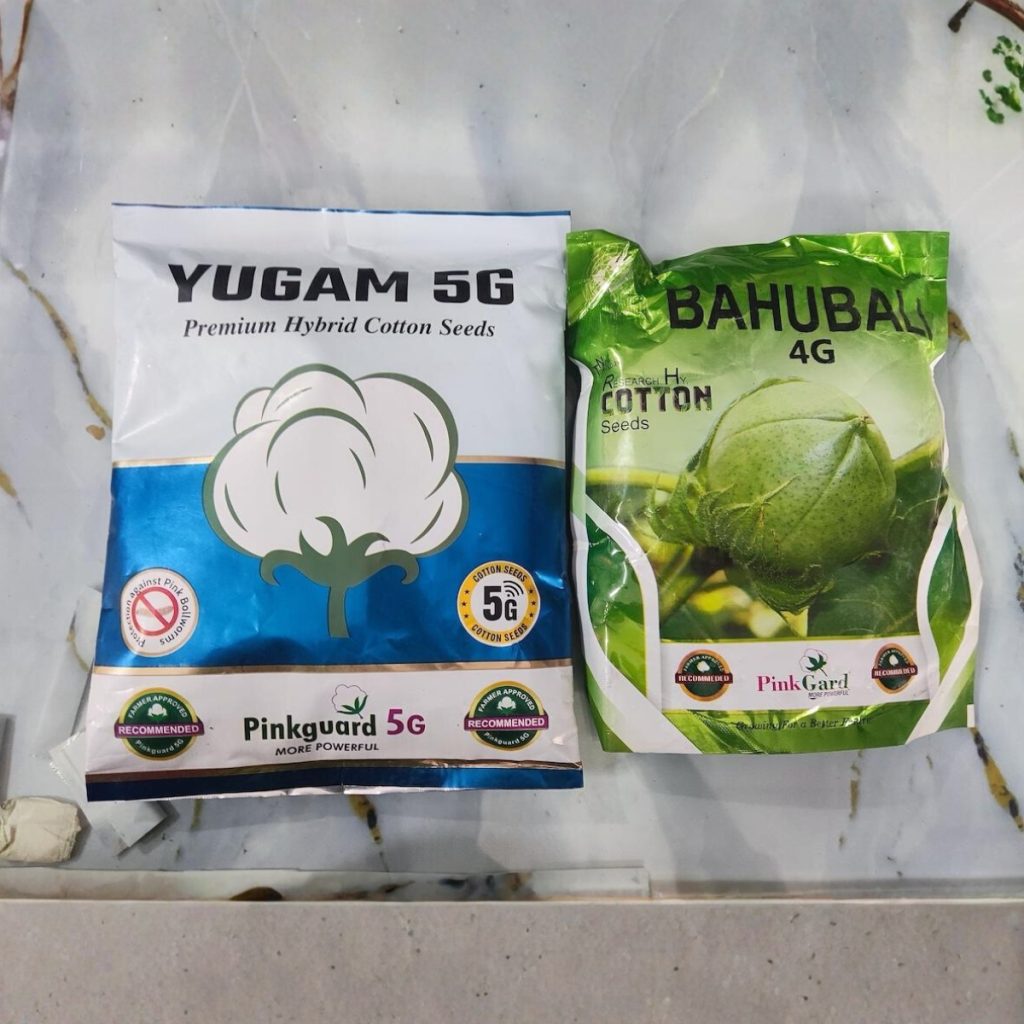
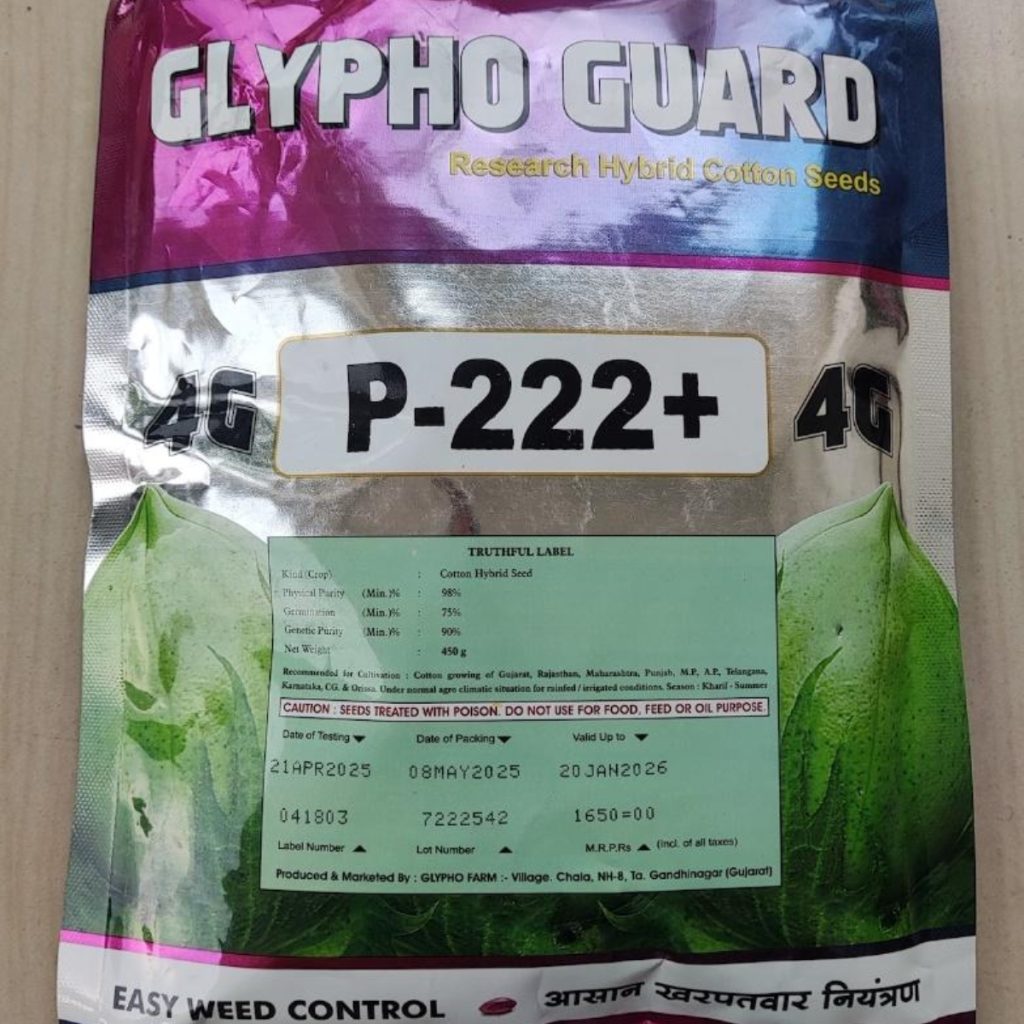
The following are a few GM seeds that are illegal, but due to a lack of regulation mechanisms, these seeds end up causing havoc in Indian soils. Most GM seeds have Indian names, but this, too, western corporations are responsible for. You get a willing Indian distributor, and the rest is easy. [14]
Circular Economy:
Circular economy is an economic system that is designed to eliminate waste and pollution, reduce stresses to existing ecosystems by keeping resources in use within the human ecosystem for as long as possible, as opposed to the destructive economic model of, use and dispose linear model. Collaborating with the indigenous communities, the global markets could benefit through access and benefit sharing, as well as learn of sustainable ways of the indigenous communities [15]
Agriculture creates a lot of waste. This waste can be transformed into clothing through mechanical or natural process called fiber separation and cottonization. Various agriculture wastes like cornstalks, banana stems, orange peels, oat husks, pineapple leaves, cactus leaves of the agave plant can be turned into fibers for clothing.
Solutions:
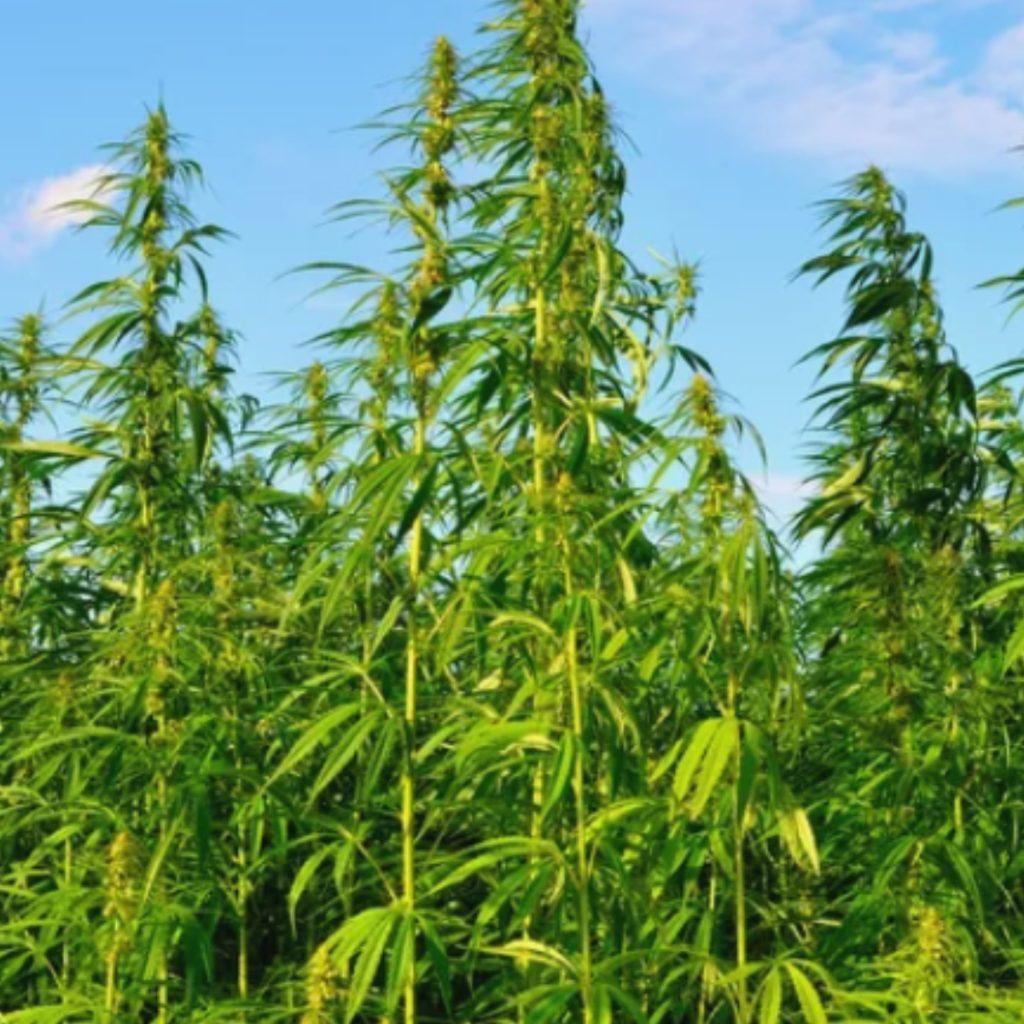
Hemp is one of the oldest cultivated crops dating to over 10,000 years with its use in textiles. Hemp fabric can be dated to ancient Mesopotamia where it was used to create ropes, sails of ships and clothing. Over time Hemp spread to ancient China and India playing an important role in the respective country’s culture and civilization. In ancient India, the versatile hemp was used for making ayurvedic medicines and its fibers used in textiles. The word ‘canvas’ is derived from cannabis. [16]
Hemp is an herbaceous annual plant in the family Cannabaceae. Its botanical name is Cannabis Sativa. While Cannabis indica has the following amount of psychoactive THC, dried flower: Usually contains 15-25% THC, but can go higher. Hash and Kief: Can range from 50-80% THC. Concentrates (e.g., wax, shatter, rosin): Often contain 60-90% THC, hemp has only 0.3% THC, and because of its leaves that look similar to Cannabis indica, this plant is frowned upon by non-traditional, non-indigenous communities and governments who do not know the difference between the two plant species.
Hemp is a non-psychoactive plant. Hemp grows from 4 feet to 15 feet in height. While cannabis indica grows only 4 to 5 feet in height. The stigma attached to this species got the hemp plant banned in many countries. Long fibres derived from the stem of the hemp plant is what fabrics are made of. The hemp fabric protects the wearer from the harmful UV rays of the sun and it is anti-fungal too. [17],
Soils and Hemp.
Hemp helps revive degraded or poor soils through phytoremediation. Hemp’s structure and its root systems continue to grow unaffected in polluted soils with heavy metals in them. [18]
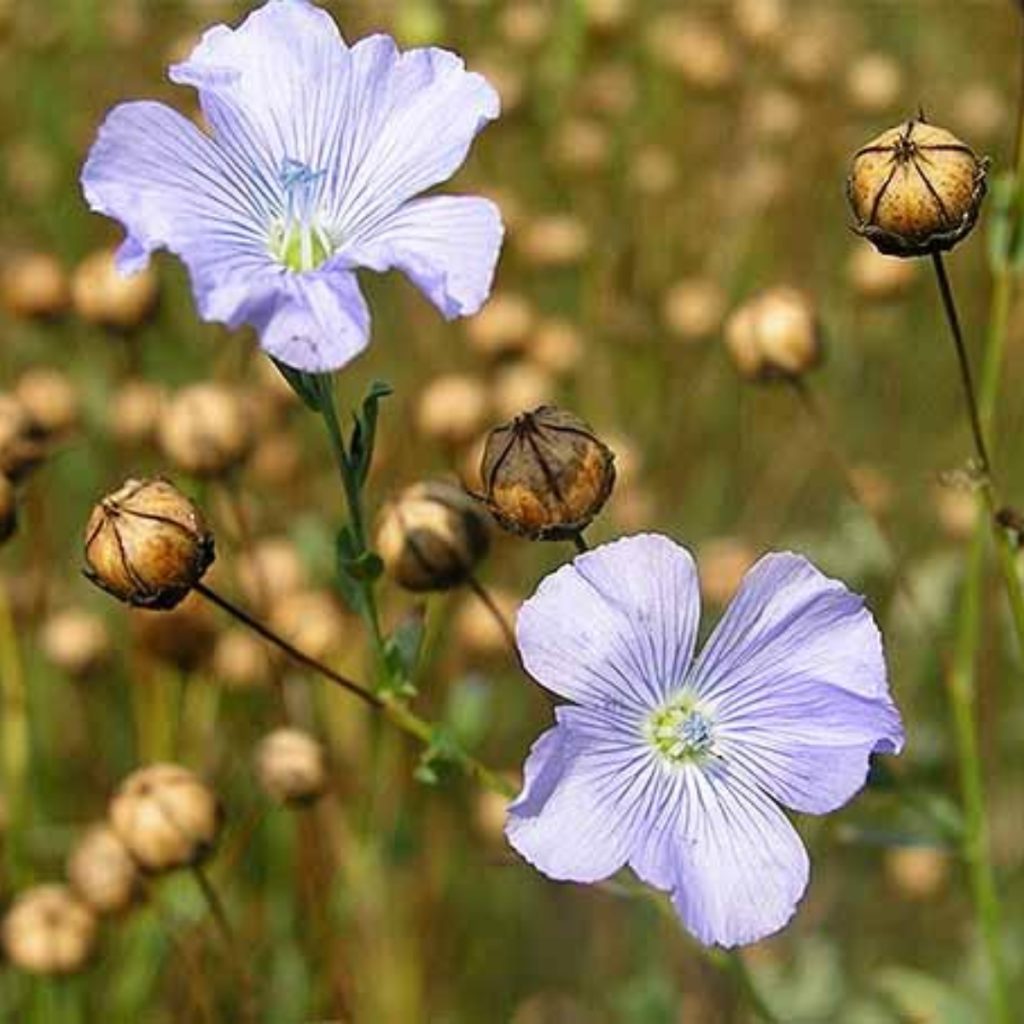
𝑭𝒍𝒂𝒙𝒔𝒆𝒆𝒅 𝒑𝒍𝒂𝒏𝒕 – 𝑳𝒊𝒏𝒆𝒏
L. usitatissimum, also known as common flaxseed, or linseed, is one of around 200 plants in the Linum genus, part of the flowering plant family Linaceae.
The fibres from the stem of this plant is naturally smooth and long, ideally used for fabrics and clothing. The seeds contain a large amount of omega 3 fatty acids and is a good dietary supplement for vegans and others. The oils from the seed are used to polish wooden surfaces to protect the wooden surfaces of furniture and musical instruments from moisture.
Linen is one of the oldest fabrics known to humans, dating back to thousands of years. The ancient Egyptians used it extensively for mumification and clothing. The linen fabric was the fabric of choice for the Egyptians, the Greeks and the Romans, because of its purity, breathability and it being sustainable. The onslaught of the industrial revolution and mechanised production, synthetic fibres became the norm and these ancient fibres were ignored. [19]
Flaxseed plant and Soil.
Flaxseed plant, promotes healthy soil in crop rotations. They require minimum irrigation, pesticides and fertilizers. Flaxseeds are a fast-growing, renewable plant that uses minimum water and other resources. Since the plant does not require fertilizers or pesticides, it has less potential for ground water pollution. [20]
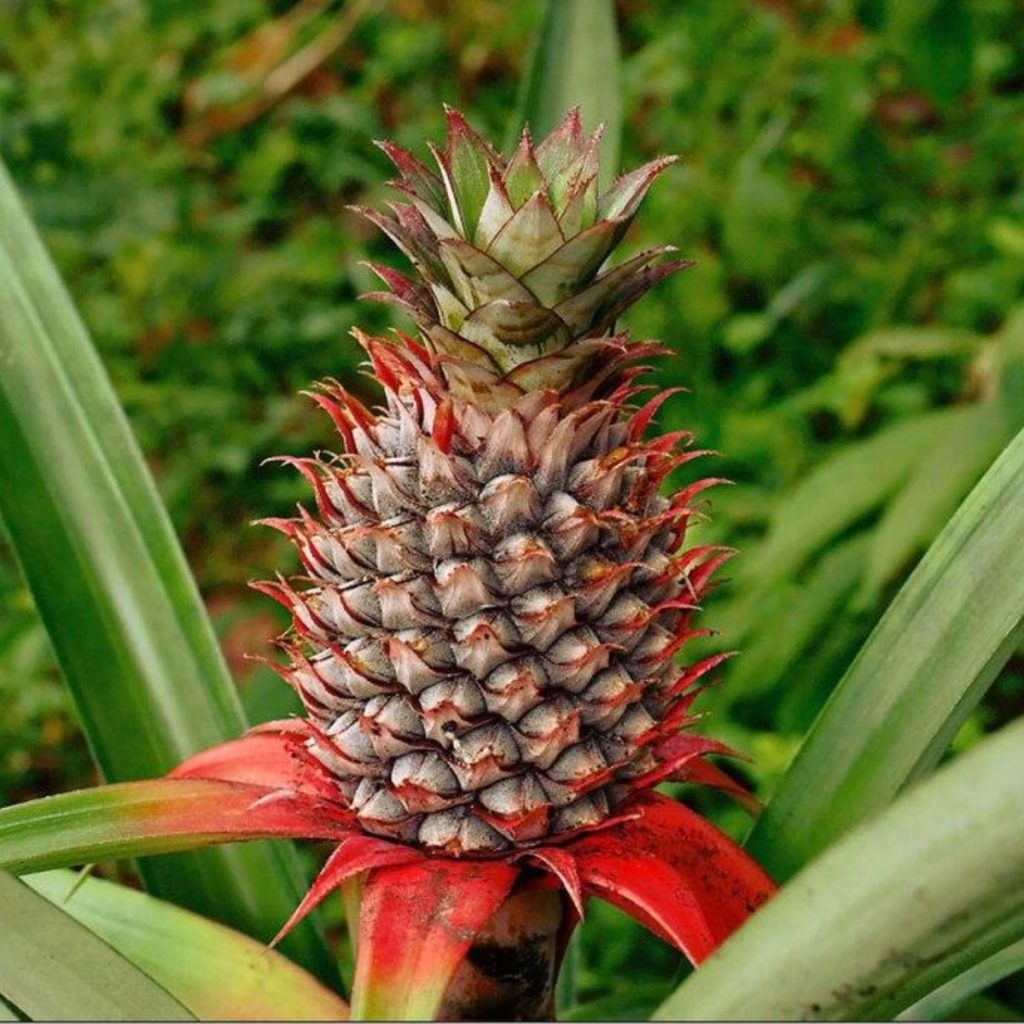
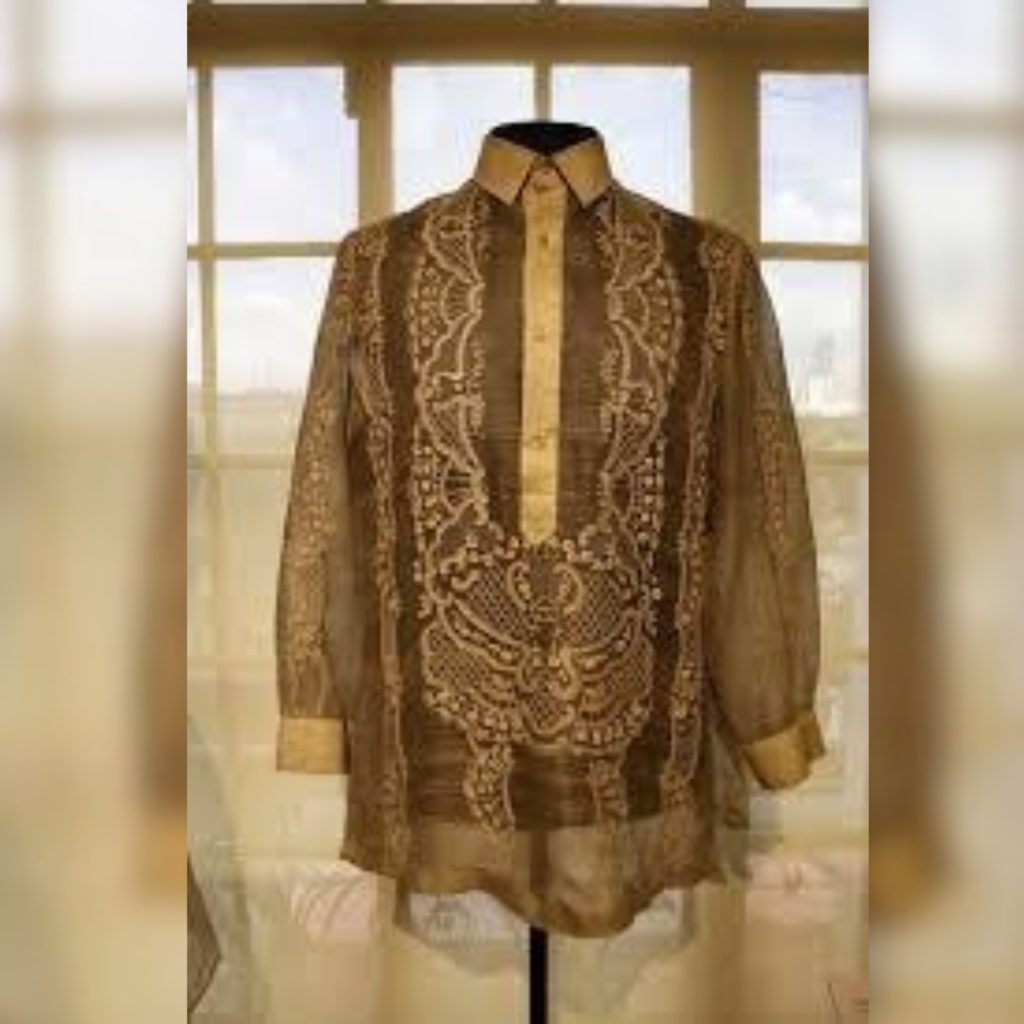
𝑻𝒉𝒆 𝒑𝒊𝒏𝒆𝒂𝒑𝒑𝒍𝒆 (Ananas comosus) belongs to the Bromeliaceae family, is indigenous to the South Americas where it has been cultivated for centuries and was brought to the Philippines and Asia including India, by the Portuguese.
Pineapple is a generic name derived from the words ‘Pinas’ or ‘Pomme de Pin’, which translates to ‘Apple of Pine’ in the language of the indigenous people of Brazil and by Gonzalo Hernandez Oviedo, who described the words pinas in ‘Hispaniola’ around the year 1540. [21] The pineapple plant’s long leaves offer fibres for fabric. These leaves that were once discarded have been used by the Philippines to make their national clothing, the ‘Barong Tagalog’ which often resembles silk in its texture and drape. The Barong Tagalog is the national formal shirt of the Philippines, made from pineapple (pina) or abaca, a banana species endemic to the Philippines. Pina is a fabric is carefully extracted from the leaves of the pineapple plant as soon as the pineapple is harvested. The process of extracting the fibres is called decortication. By repurposing the leaves, this reduces waste and supports the circular economy. Pineapple and Soil.
Pineapple’s root system being dense, protects the soil from erosion, specially on slopes and on degraded lands. After the harvesting of all elements of the leaves and fruit, the mulch remaining is used as compost. This compost rejuvenates soils by adding macronutrients like potassium, calcium and magnesium and micronutrients like zinc, copper and manganese.
The compost residue can also increase beneficial soil bacteria and actinomycetes. [22]
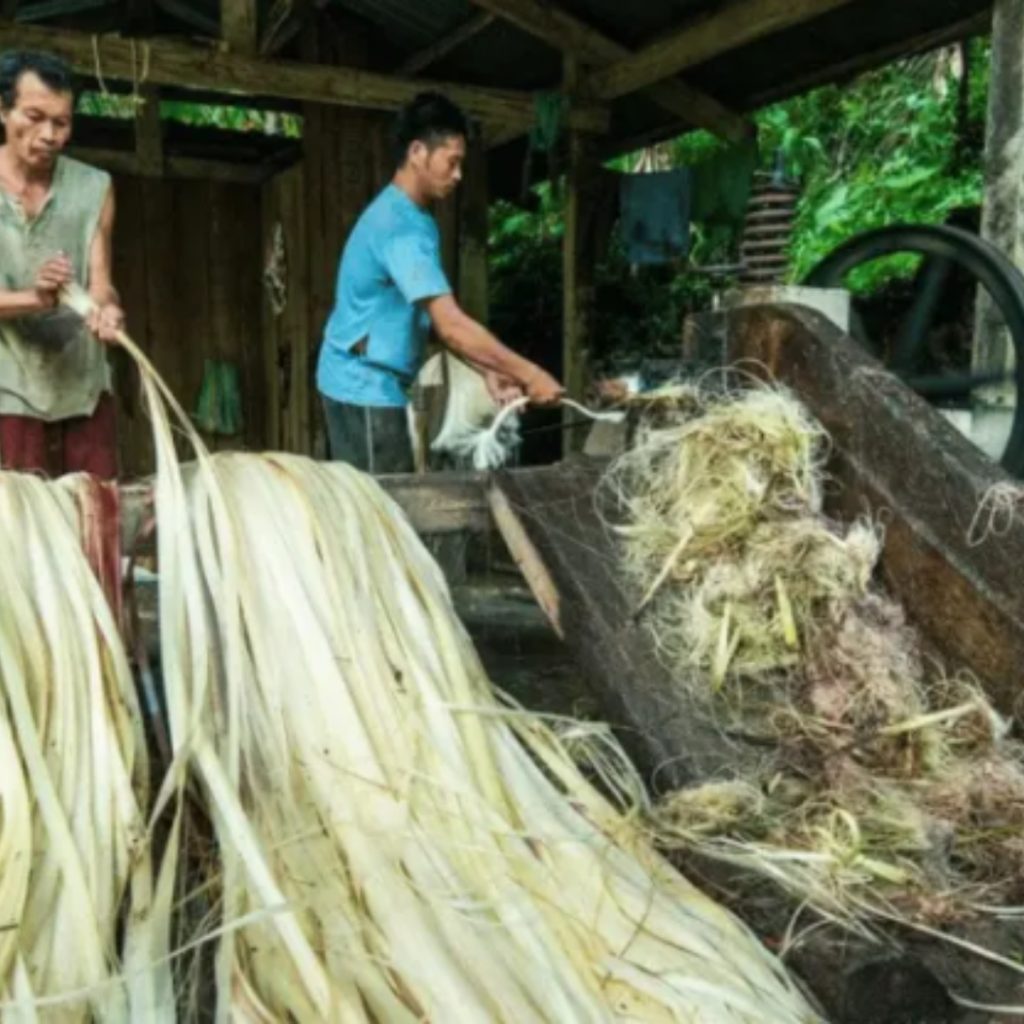
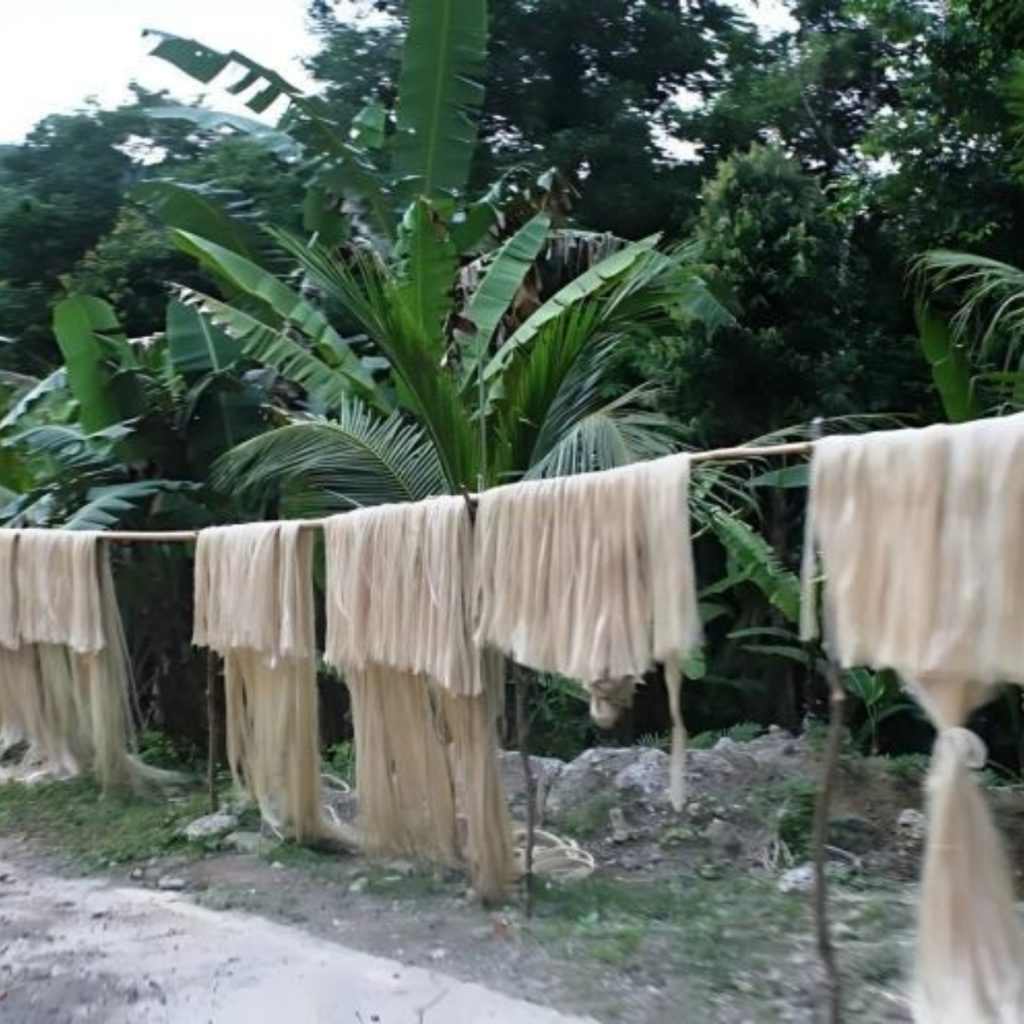
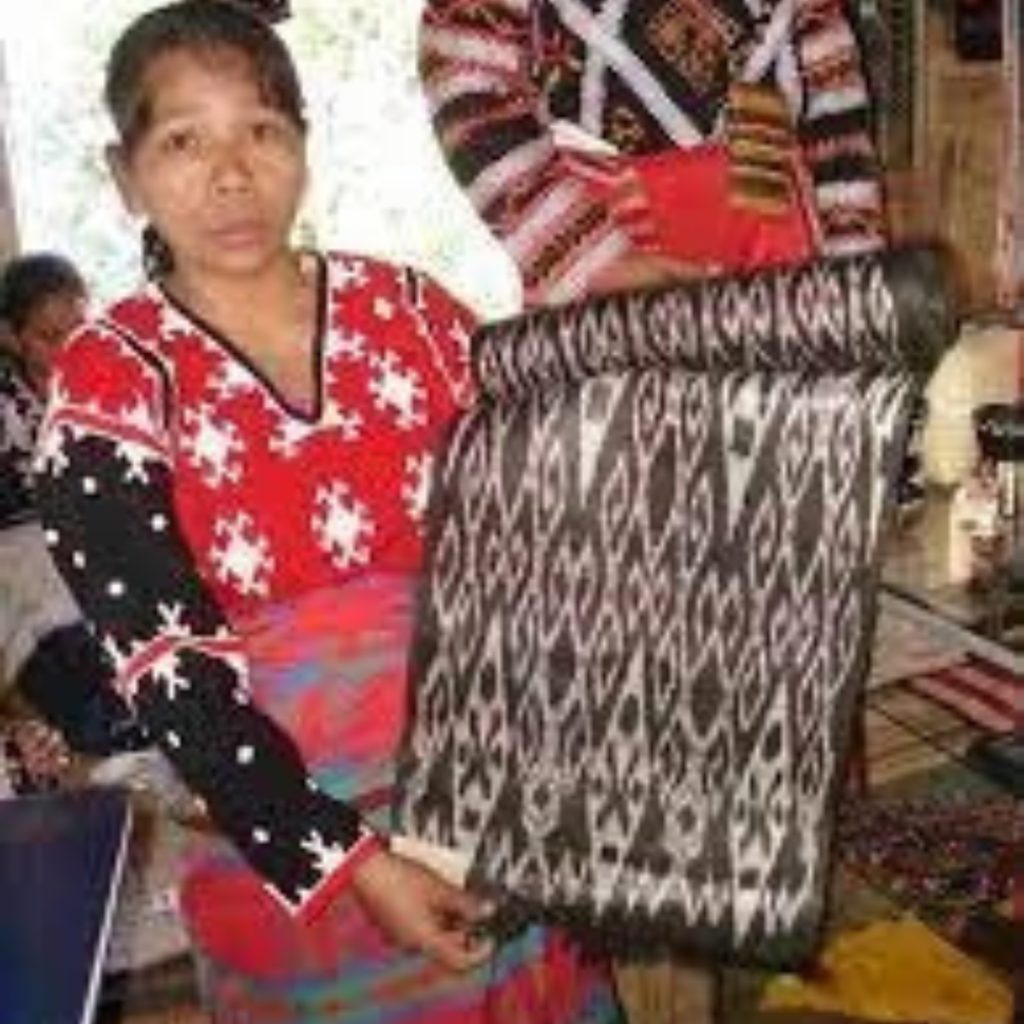
Abacá (Musa textilis)
Also known as Manila hemp, is a species of banana, endemic to the Philippines. Indigenous of Philippines handloom this fabric into indigenous garments or abaca cloth also known as medrinaque. The native abaca textiles have survived into the modern era among various indigenous ethnic people, namely t’nalak of the T’boli people and the dagmav of the Bagobo people. Since the fibre is naturally stronger than hemp and salt tolerant, this fabric is used in maritime shipping. [23]
Abaca and Soil
Abaca prevents soil erosion and needs healthy well drained soils to thrive. Agroecosystems are when two or more plants are planted next to each other, like Abaca and coconut, there is a nutrient exchange and the abaca leaves provide shade for the soil surrounding it thus preventing quick evaporation of moisture in the soils.
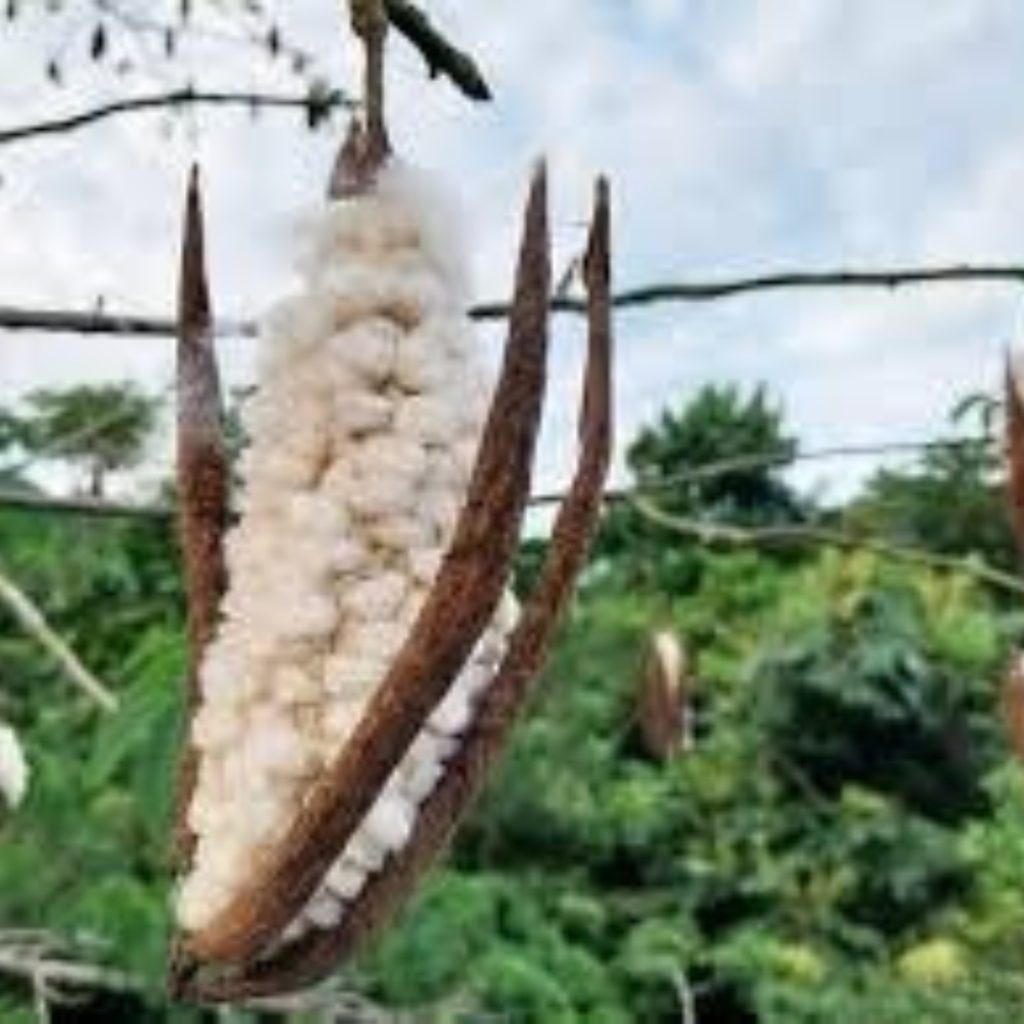
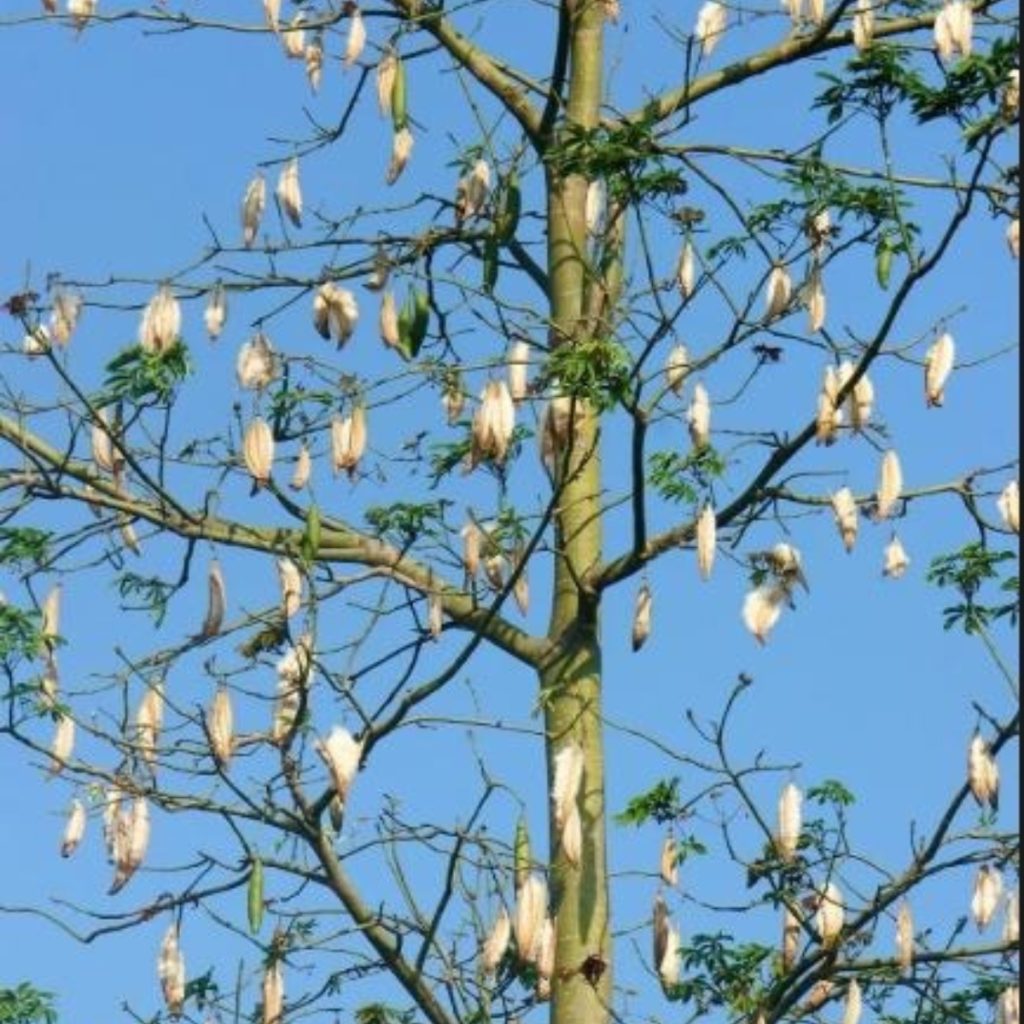
This tree was brought to Mobaim (indigenous name for Bombay) by the Portuguese from South America in the 1500 to 1700’s. Since the Khapri (East Indian weavers of Mobaim) tribe are skilled in ancient weaving methods, this silk was introduced to these indigenous people and the fabric from this cotton pod is superior to cotton and similar to silk was used by the indigenous. Silk was always traded in Mobaim (Indigenous name for Bombay) through the silk route that came towards Sopara, the Italian port in the 1st century, currently called Maharashtra. There was no state nor the nation of India back then. Just traders and small kingdoms protected by the international trader community. [24]
The Cotton pod which grows once a year, dries up and falls to the ground. This cotton pod is collected by the indigenous of the 7 islands of Mobaim and over time the 9 yard Lugra (nav Vari Lugra) is woven with this cotton pod silk fabric. [25], [26]

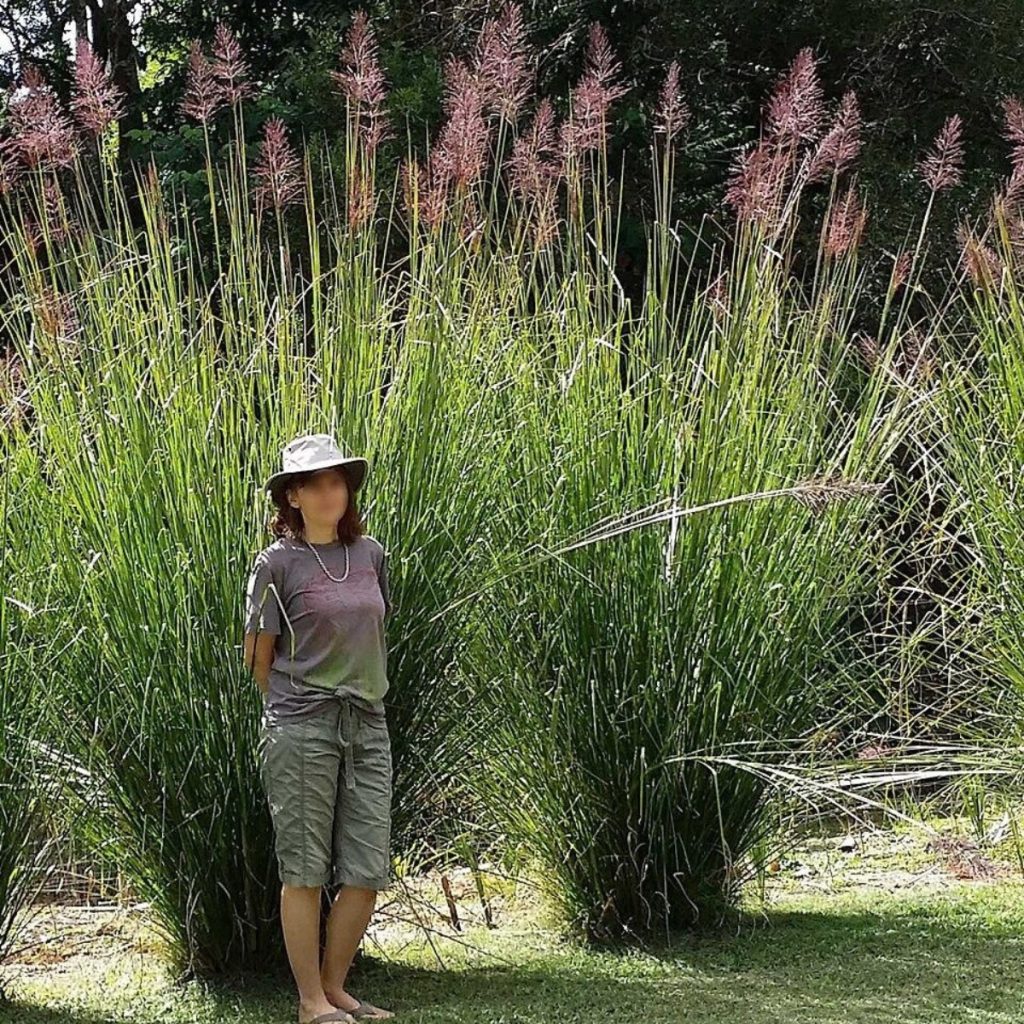
Vetiver zizanioides is another miracle plant that Mother Nature provides. Vetiver z. heals the soil and its long roots help stabilise soils on river embankments, slopes and lake boundaries. Vetiver z. removes heavy metals from the soil and also being a high heat tolerant plant, it can help reverse drought using holistic methods (not just plant and leave). Vetiver z. helps reverse drought as it traps rainfall and stores water deep within its root systems. Vetiver z. planted on the border of the main crop of cotton and other climate stressed plant, will help reduce the stresses and the improve the survivability of the vulnerable plant. Vetiver z. helps provide livelihoods too with its aromatic oils extracted from its roots. Vetiver z is a plant that is the most farmer friendly. (The PhD thesis on Vetiver z. and drought reversification will be soon available at TDU – Bangalore)
Summary.
Since the global fabrics market will touch 1 trillion USD in the year 2030, the stresses will continue to be felt by farmers who would want a slice of this pie. These stresses will translate to the degradation of land, leading to drought conditions in the long run affecting the food security of India. [27] With the availability of so many fibres that have been used since millennia, why has this sector (industry) not yet organised itself? Why weak regulations continue to harm the farmers and the soil?
Mother Nature (Mai Maati, Nisarga, Prakriti, Kudarat) offers solutions, provided people are willing to listen and follow.

PhD scholar
Trans Disciplinary University (TDU) ,Bangalore
PhD guide
Trans Disciplinary University (TDU),Bangalore