WCEF2026 Accelerator Session Moves Digital Product Passports from Policy to Practice for Global Value Chains
ICCE joins international partners to build practical DPP readiness for Indian MSMEs and Global South suppliers; discussions reinforce the need for implementation platforms such as Bharat SUTRA
Gandhinagar, 17 September 2026: The International Council for Circular Economy (ICCE) joined global partners at the World Circular Economy Forum 2026 (WCEF2026) to convene the Accelerator Session, “Roll up your sleeves: From policy to practice with digital product passports for global value chains,” bringing together policy perspectives, industry experience and practical tools for translating Digital Product Passport requirements into business capability.
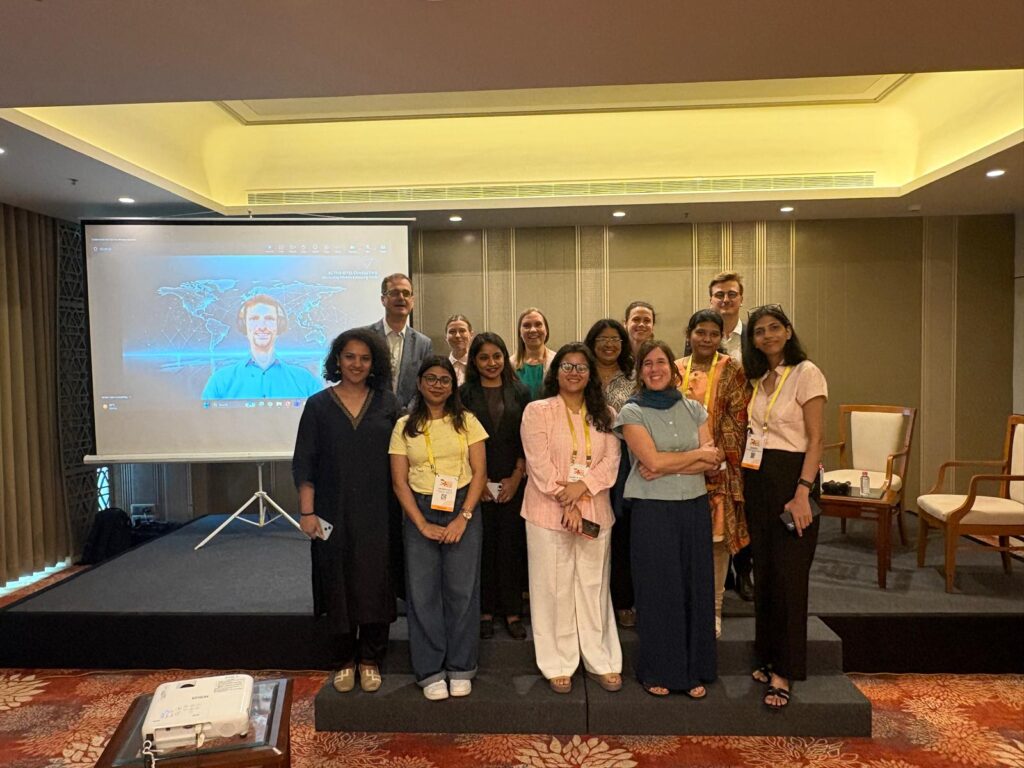
Held at the Radisson Hotel, GIFT City, Gandhinagar, the three-hour session was organised by the EU Circular Economy Resource Centre (EU CERC), ICCE, Circulearth, Sitra and Enabel, alongside contributing knowledge and implementation partners. The official WCEF programme positioned the session at the intersection of business, data, design, industry and systems change, with a strong emphasis on practical implementation.
Connecting EU Policy with Global Supply Chains
The session addressed a critical question for global value chains: how can emerging Digital Product Passport requirements become useful tools for circularity rather than simply another compliance burden?
Discussions connected the evolving European circular economy and ecodesign policy landscape with the operating realities of Indian MSMEs and other Global South suppliers. The session examined how structured product data can support decisions around materials, durability, repairability, environmental performance, traceability and circular business models.
This conversation was particularly relevant for Indian industry, where ICCE’s earlier engagement at Bharat Tex 2026 had already highlighted the need for stronger industry handholding around standards, traceability, ESPR and DPP readiness. The Bharat Tex stakeholder consultation found that companies—particularly MSMEs—require practical training, technical assistance, cluster support and buyer engagement to translate regulatory requirements into implementation.
From Policy Context to Practical Readiness
Rather than limiting the discussion to regulation, the WCEF2026 Accelerator was structured as a practical progression from policy to implementation to readiness. The programme covered the evolving EU circular economy and ecodesign landscape, implications of the Ecodesign for Sustainable Products Regulation for Indian markets, the use of sustainability data to create local value, and practical approaches to implementing DPPs. The second half moved into a hands-on readiness exercise for businesses and business-support organisations. Participants explored the data requirements, stakeholder responsibilities, governance structures and implementation steps needed to operationalise Digital Product Passports. The session concluded with synthesis and next steps, followed by networking and voluntary diagnostic clinics.
DPPs as Enablers of Circularity
A central message emerging from the discussion was that Digital Product Passports should not be viewed only through the lens of regulatory compliance. When designed and implemented effectively, product-level data can enable better material choices, improved traceability, repair and reuse, recycling, responsible sourcing and new circular business models. It can also create stronger information flows between producers, suppliers, buyers, recyclers and other actors across global value chains. For export-oriented economies such as India, DPP readiness is therefore increasingly connected with competitiveness, market access and the ability of enterprises to participate effectively in evolving global value chains. This reinforces the direction identified during ICCE’s Bharat Tex deliberations, where standards, traceability and DPP preparedness were positioned not only as environmental issues but also as emerging trade and competitiveness priorities.
From Discussion to Deployment: Bharat SUTRA
For ICCE, the WCEF2026 Accelerator also represented an important continuation of the journey initiated at Bharat Tex 2026. At Bharat Tex, ICCE’s policy–industry consultation highlighted four interconnected needs: capacity building, compliance readiness, affordable technology adoption and practical industry pilots. These priorities subsequently shaped Bharat SUTRA – Sustainable Upcycling and Textile Regeneration Accelerator, ICCE’s 24-month implementation platform for circular textiles.
The DPP Accelerator at WCEF2026 further strengthened this implementation agenda. Bharat SUTRA provides a pathway to take these discussions into Indian industry and textile clusters—translating global regulatory and technical developments into practical knowledge, enterprise capability, technology partnerships and pilots. The programme envisages supporting businesses on areas including traceability and DPP preparedness, circular skills, technology adoption, enterprise diagnostics and pilot-to-scale pathways.
“The real challenge now is not awareness, but implementation.”
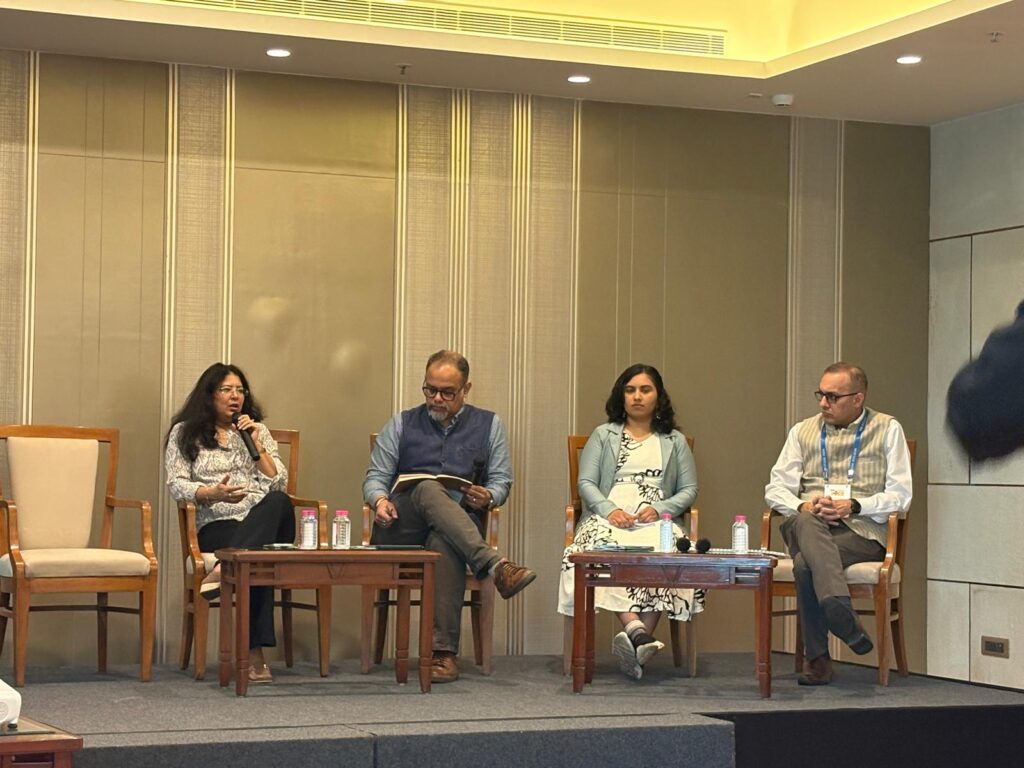
Christoph Sprung, Founder and CEO, Active Sites Consulting, Germany said:
“The conversation on Digital Product Passports is rapidly moving from ‘what is coming?’ to ‘how do we prepare?’. For Indian MSMEs and other Global South suppliers, this transition must be supported with practical tools, skills, handholding and affordable implementation pathways.” She added:
“Our discussions at Bharat Tex identified this gap very clearly. WCEF2026 allowed us to take the conversation to a global platform and explore it through the lens of policy, data and implementation. Bharat SUTRA now gives us a mechanism to carry these learnings forward into companies and clusters.”
Building an Inclusive Global DPP Transition
The Accelerator Session reflected the wider ambition of WCEF2026 to move circular economy solutions into practice and connect local implementation with global markets, policies and partnerships. WCEF2026’s Accelerator programme was specifically designed to deepen the main Forum through practical solutions, sectoral insights and real-world implementation models.
The discussion highlighted that successful adoption of Digital Product Passports will require more than technological infrastructure. It will require capacity building, common understanding of data requirements, interoperable systems, appropriate governance and meaningful participation of MSMEs and suppliers across global value chains.
For ICCE, this creates a clear continuum:
Bharat Tex identified the implementation gap.
WCEF2026 brought global policy and practice together.
Bharat SUTRA takes the learning into deployment.