India’s waste crisis has reached a critical point, affecting urban life, the environment, and public health. Walking through Indian cities today often leaves one with a heavy heart. Streets that should be vibrant public spaces are marred by scattered plastic, open garbage dumps, and stray animals chewing on polythene in search of food. The pungent mix of rotting matter and plastic has become a daily reality across urban and peri-urban landscapes. The earth suffers silently while society grows indifferent to the consequences of unchecked consumption.
This is not simply an environmental issue. It is a systemic, social, and civic crisis. Waste mismanagement in India reveals not only the fragility of infrastructure but also deeper challenges of inequality, governance, and public behaviour.
The Magnitude of the Problem
According to the Central Pollution Control Board (CPCB), India generates nearly 62 million tonnes of municipal solid waste each year. Of this, only about 70% is collected, and just 20–25% is processed. The rest finds its way to open dumps, rivers, or unscientific landfills.
The scale of neglect is staggering. The Ghazipur landfill in Delhi, often compared in height to the Qutub Minar, stands as a monument to systemic failure. Year after year, unmanaged waste piles higher, poisoning the air, soil, and groundwater.
Plastic remains the most stubborn part of the problem. India consumes over 14 million tonnes annually, much of it in the form of single-use plastics like bags, cutlery, and packaging that persist despite bans. Microplastics now infiltrate rivers, soil, and even human bodies.
The issue extends beyond cities. Rural India, too, is witnessing rising volumes of plastic and non-biodegradable waste, driven by consumerism and e-commerce penetration.Lacking formal collection systems, villages often resort to burning plastic waste in the open, releasing toxic fumes directly into the atmosphere.
Waste and Social Justice
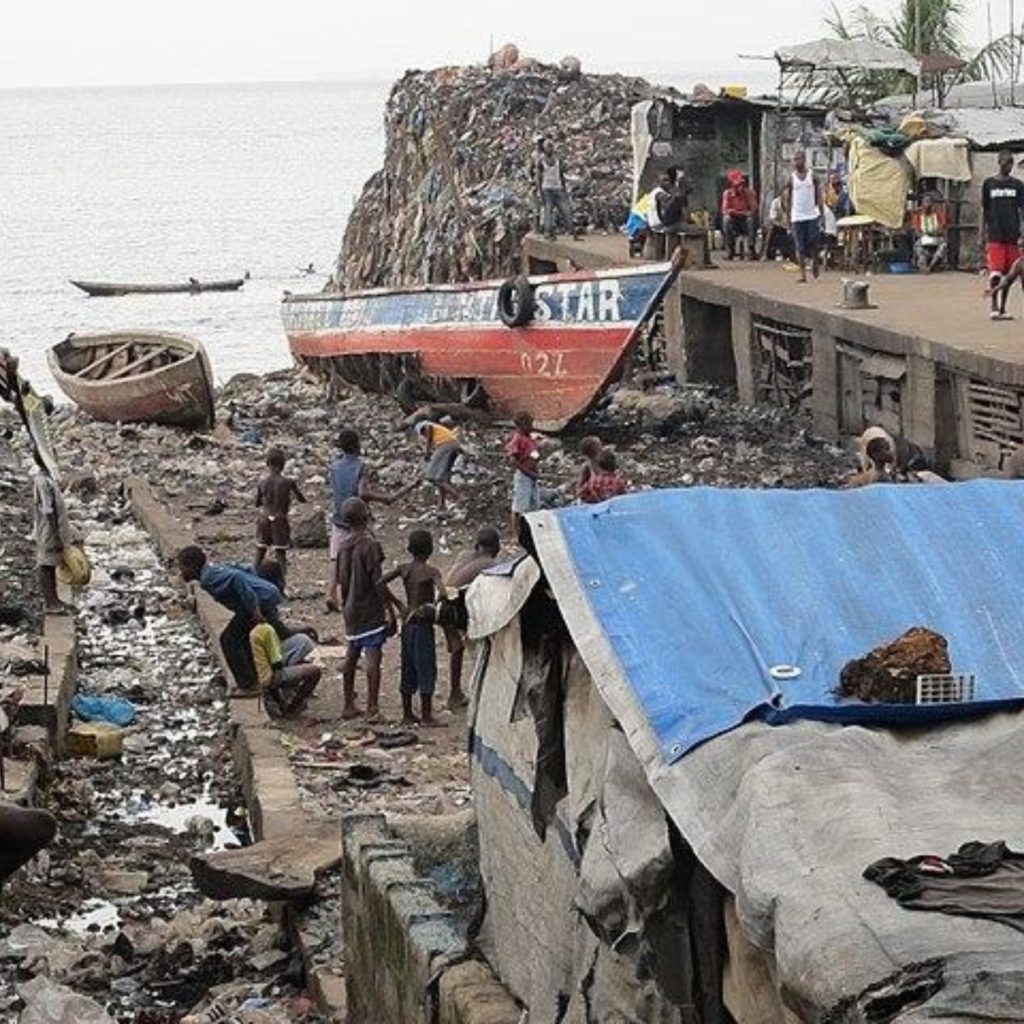
Waste is not only an environmental and economic concern; it is also a profound social justice issue. In almost every Indian city, it is the poorest and most marginalized communities who live closest to landfills or work with waste.They breathe toxic air, drink water contaminated by leachate, and face chronic health risks. While wealthier citizens can retreat into gated communities with purifiers and bottled water, the poor are left to endure the daily hazards of society’s negligence.
There is also a strong gender dimension. A large proportion of informal waste pickers are women, who begin work before dawn, combing dumps for recyclables. Their labor recovers up to 30% of materials that would otherwise end up in landfills, yet they remain invisible and underpaid. Most lack safety gear, healthcare, or social security. Many suffer respiratory illnesses, injuries, and chronic diseases from constant exposure to toxic materials.Children, too, are pulled into this cycle, robbed of education and dignity. Waste picking in India is deeply tied to caste hierarchies—historically relegated to specific communities. Though outlawed, these stigmas endure, embedding waste management within broader struggles of equity and human rights.
The inequality is stark. Those who generate the most waste—affluent households and commercial establishments—rarely suffer its consequences. Meanwhile, the poorest, who generate the least, bear the heaviest burden.Globally, injustice deepens. Wealthier nations export large volumes of plastic and electronic waste to India under the guise of “recyclables.” These shipments often end up in informal dumps, handled by vulnerable workers with no protection. The Global South thus absorbs the risks created by the Global North’s overconsumption.
A just waste system must recognize and empower waste workers by providing fair wages, protective equipment, healthcare, and pathways to more dignified employment. Encouragingly, some Indian cities have begun integrating waste picker cooperatives into municipal systems. Such models both improve efficiency and restore dignity to an often-overlooked workforce.
From Minimal Waste to Waste Mountains
Ironically, India’s waste crisis is a relatively recent phenomenon. For centuries, society functioned with minimal waste, sustained by traditions of reuse and recycling. Food was sold loose in markets, containers were refilled repeatedly, clothes were upcycled into quilts or rags, and scrap dealers (kabadiwalas) recycled broken goods. Most waste was organic and returned to the soil through composting or feeding animals.
The culture of “throwaway” consumption barely existed. What little waste was produced was easily absorbed back into natural cycles.
The past three decades, however, have seen rapid urbanization, consumerism, and the flood of cheap plastics. The shift has been dramatic: from a low-waste society rooted in traditional wisdom to one drowning in non-biodegradable garbage.
When you stand at the edge of Delhi’s Ghazipur landfill, the stench hits you before the sight does. A mountain of garbage, taller than Qutub Minar, towers over the horizon, its slopes crawling with birds, stray dogs, and desperate humans. Now shift your gaze to Indore. Here, garbage trucks move with precision, neighborhoods stay clean, and not a single plastic bag floats in the wind. The contrast is so stark it almost feels like two different countries. Both are India—but one shows what neglect creates, the other what discipline can achieve.
Indore’s transformation did not come easily. It began with something as simple—and as difficult—as making households segregate waste. Municipal officials knocked on doors, community leaders held street meetings, fines were enforced. Today, Indore processes nearly all its waste, a feat unimaginable in most Indian cities. It proves a simple truth: the waste crisis is not a curse of fate, but a failure of will.
In Pune, the story is written not by officials but by women who once lived in the shadows. For decades, waste pickers worked barefoot in toxic dumps, sifting through filth for recyclables that earned them barely enough to survive. Their labor kept cities running, yet society saw them as untouchables. Then came SWaCH—a cooperative that gave them identity cards, contracts, and dignity. Now, these women knock proudly on doors, collecting segregated waste and charging user fees. One waste picker told researchers, “Earlier, people closed their doors on us. Now, they greet us with respect.” Pune reminds us that waste management is not just about technology—it is about justice.
New Waste Streams: Modern Challenges
1. Plastic Waste – The Persistent Pollutant
Single-use plastics—bags, bottles, straws, packaging—dominate the waste stream. They clog drains, choke rivers, and take centuries to degrade. Along the way, they fragment into microplastics, which infiltrate food chains, harming animals and eventually humans. Open burning worsens the damage, releasing dioxins and furans, among the most toxic substances known.
2. Electronic Waste (E-Waste) – The Hidden Hazard
E-waste is the fastest-growing waste stream globally. Discarded electronics leach heavy metals like lead, mercury, and cadmium, contaminating soil and groundwater. Informal recycling often involves burning wires or acid leaching, practices that expose workers and communities to deadly toxins.
3. Organic Waste – The Methane Machine
Food and garden waste, if composted, could return nutrients to the soil. But when dumped in landfills, it decomposes anaerobically, producing methane—a greenhouse gas 84 times more potent than CO₂ in the short term. India’s overflowing landfills are now among the nation’s largest methane emitters.
4. Biomedical and Hazardous Waste – A Silent Menace
Hospitals and industries generate biomedical and chemical waste that can be lethal if mishandled. In India, biomedical waste is often mixed with municipal garbage, exposing sanitation workers and ragpickers to infection and toxic exposure.
5. Construction and Demolition Waste – The Bulky Polluter
Rapid urbanization has created millions of tonnes of construction debris annually. While less toxic than plastics or e-waste, its sheer volume overwhelms cities, clogs drains, and fuels dust pollution.
Why Waste Management Fails
The crisis is the result of multiple interconnected failures:
- Lack of segregation at source – More than 80% of households still mix wet and dry waste, undermining recycling.
- Inadequate infrastructure – Composting plants, material recovery facilities (MRFs), and waste-to-energy units are scarce.
- Over-reliance on landfills – Cities continue to dump waste in overflowing sites rather than treating it scientifically.
- Weak enforcement – The Solid Waste Management Rules (2016) mandate segregation, but penalties are rarely enforced.
Dependence on the informal sector – Waste pickers save cities millions, yet work without protection, recognition, or support. - Civic apathy – Waste remains an “out of sight, out of mind” problem for many citizens, seen as the municipality’s sole responsibility.
- Health, Environment, and Climate Costs- The true cost of waste is not just what municipalities spend on collection and disposal—it is what communities, ecosystems, and the planet silently pay every day. When unmanaged waste piles up in landfills, rivers, or streets, its impacts ripple through public health, environmental stability, and the climate system.
1. Health Costs – A Silent Epidemic
Waste is a breeding ground for mosquitoes, flies, and rats, spreading diseases such as dengue, malaria, and cholera. Burning waste releases fine particulate matter (PM2.5), which enters lungs and bloodstream, causing asthma, heart disease, and even premature death. Informal waste pickers—many of them women and children—work without gloves or masks, handling toxic waste daily. Studies show they face higher risks of tuberculosis, skin disorders, and respiratory illnesses. Communities living near dumpsites like Ghazipur (Delhi) and Deonar (Mumbai) report shorter life expectancies due to continuous exposure to toxic air and contaminated water.
2. Environmental Costs – The Earth Suffers Too
Plastics in soil reduce fertility, affecting farmers’ crop yields. Leachate (the toxic liquid from landfills) seeps into groundwater, contaminating drinking water sources for thousands of families. Rivers and oceans choke with plastic, killing marine life, turtles, dolphins, and fish that mistake waste for food. Biodiversity loss accelerates when habitats are poisoned or blocked by human-generated waste.
3. Climate Costs – Waste as a Hidden Driver of Global Warming
Organic waste in landfills generates methane, a greenhouse gas far more potent than CO₂. India’s landfills are now among the largest methane emitters in South Asia. Burning mixed waste emits black carbon, which settles on glaciers in the Himalayas, speeding their melting and altering monsoon patterns. The energy wasted in producing goods that end up as garbage adds to global emissions. For example, every ton of recycled paper saves 17 trees and 7,000 gallons of water, reducing both emissions and resource stress. According to the World Bank, mismanaged waste contributes up to 10% of total global greenhouse gas emissions from the waste sector.
The Invisible Bill
When we add it all together, the bill for mismanaged waste is enormous. India spends billions annually on healthcare linked to pollution-related diseases. Cities lose money when tourism declines due to dirty surroundings. Flood damages rise when plastic clogs drains during monsoons. And yet, much of this cost remains invisible because it is paid by the poorest communities and by future generations who inherit a damaged environment.
Why This Matters
By viewing waste through the lens of health, environment, and climate costs, the urgency becomes clear. Waste is not merely a municipal problem; it is a public health crisis, an environmental emergency, and a climate threat rolled into one. Addressing it through segregation, recycling, composting, and reducing consumption is not charity—it is survival.
Innovation and Youth-Led Change
Amidst the crisis, innovation is emerging. Youth-led startups and organizations are pioneering creative solutions:
- Phool converts temple flowers into incense and compost.
- Banyan Nation uses AI-driven systems for plastic recycling.
- TrashCon develops automated segregation machines.
NGOs, student groups, and community campaigns are promoting zero-waste lifestyles, organizing beach clean-ups, and building awareness. Many schools have begun teaching segregation as part of daily routines. This new generation represents India’s greatest hope for shifting cultural attitudes towards sustainability.
Global Lessons for India
Other nations offer valuable models:
While India struggles with mounting garbage and overflowing landfills, many countries have demonstrated that with political will, strict enforcement, and citizen participation, waste can be transformed from a burden into a valuable resource.
Sweden – Turning Waste into Power
Sweden is a global leader in waste-to-energy innovation. Less than 1% of its waste ends up in landfills. Instead, Sweden operates advanced waste-to-energy plants that incinerate trash under controlled conditions, generating electricity and district heating for millions of households. Astonishingly, Sweden now imports waste from neighboring countries to keep its plants running, because it does not produce enough waste domestically. The system is backed by strict laws that prohibit landfilling of organic and recyclable waste. What India can learn is that with technology, even garbage can become a reliable source of clean energy, reducing both landfill pressure and fossil fuel dependence.
Germany – Extended Producer Responsibility (EPR)Germany has one of the highest recycling rates in the world, thanks to its Extended Producer Responsibility (EPR) system. Under this framework, manufacturers are legally required to take responsibility for the packaging they put into the market. This has forced companies to design eco-friendly packaging, invest in recycling infrastructure, and reduce unnecessary plastics. German households follow a color-coded bin system with remarkable discipline, ensuring that recyclables are separated at source. The result is a recycling rate of over 65%, compared to India’s current rate of less than 20%. The key lesson for India is accountability—producers must be part of the solution, not just consumers and municipalities.
Japan – The Discipline of Segregation
Japan treats waste management almost as a civic ritual. Citizens are expected to segregate waste into dozens of categories, including burnable, non-burnable, plastics, cans, bottles, and hazardous items. Each municipality has a detailed waste calendar, and violations are socially unacceptable. This cultural discipline ensures that recycling and composting systems function flawlessly. Beyond rules, there is also a mindset: waste belongs to the community, and every resident shares responsibility. For India, where segregation at source remains a challenge, Japan offers a powerful lesson in behavioral change and citizen participation.
South Korea – Pay-As-You-Throw System
South Korea has tackled food waste—one of the hardest categories to manage—with remarkable success. It introduced a “pay-as-you-throw” system where households are charged based on the amount of food waste they generate. This is measured using special biodegradable bags or smart bins with weighing sensors. The result has been a dramatic reduction in food waste, coupled with large-scale composting and biogas production. South Korea now recycles more than 95% of its food waste. For India, where food waste makes up over 40% of municipal solid waste, such economic incentives could be a game-changer.
The Common Thread
Across these diverse countries, one principle stands out: waste is not an afterthought, it is a resource managed with care, responsibility, and innovation. Whether through technology (Sweden), regulation (Germany), cultural discipline (Japan), or economic incentives (South Korea), success comes from a combination of policy, enforcement, and public participation.
Pathways Forward
For India, change must happen on multiple fronts simultaneously:
Strengthen Source Segregation – Every household and institution must separate wet, dry, and hazardous waste. Non-compliance should carry clear penalties.
Empower the Informal Sector – Recognize waste pickers through cooperatives and partnerships, providing safety gear, healthcare, and fair wages.
Invest in Infrastructure – Expand composting plants, biogas units, MRFs, and waste-to-energy facilities. Use digital tools like AI, IoT, and blockchain for tracking and efficiency.
Enforce Extended Producer Responsibility (EPR) – Hold producers of plastics, electronics, and hazardous waste accountable for recovery and recycling.
Civic Education – Build responsibility through schools, campaigns, and media, framing waste as a shared duty, not just a municipal task.
Policy Reform – Adopt stricter landfill bans, set zero-waste targets, and reward cities leading in sustainable practices. Provide tax incentives for recycling enterprises and circular economy businesses.
Toward a Circular Economy
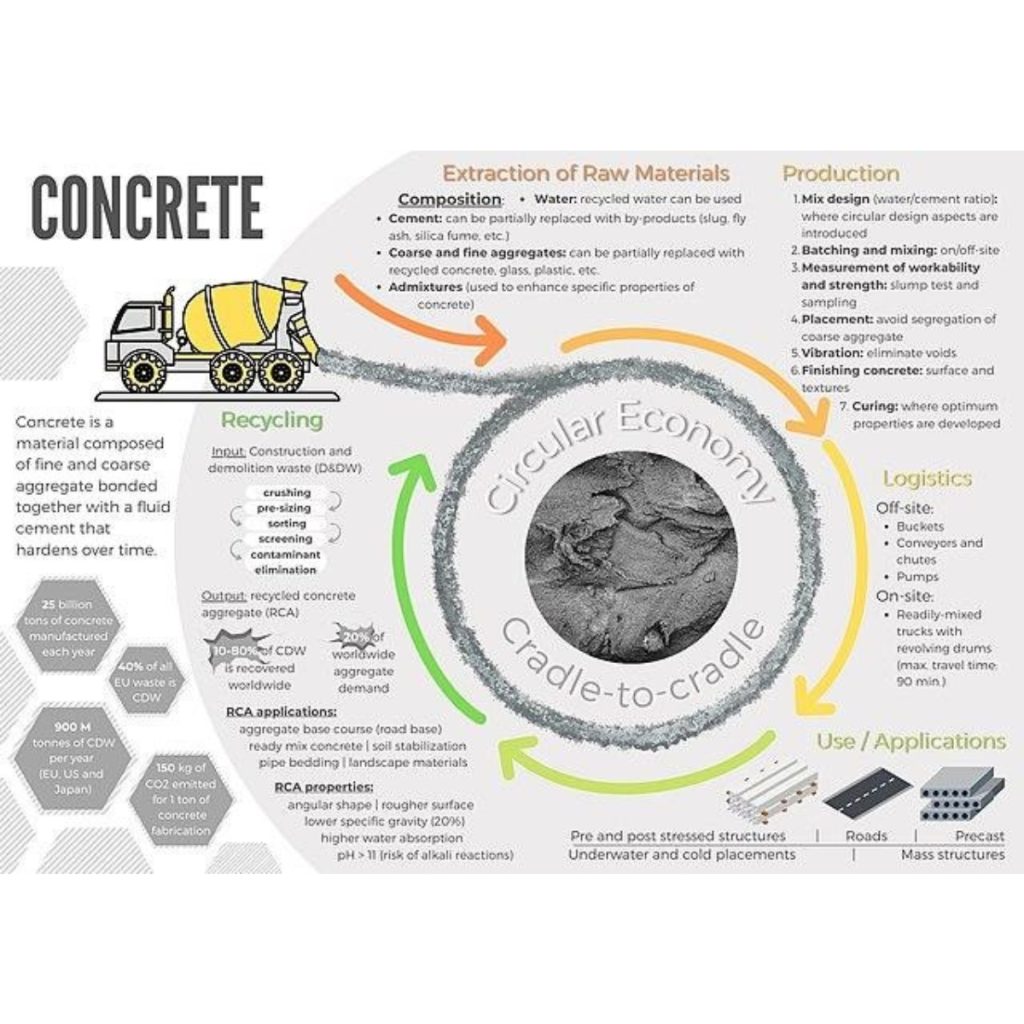
Waste management cannot be solved in isolation. India must embed it within the broader framework of a circular economy, where materials are reused, repaired, recycled, and kept in circulation for as long as possible.
For India, this would mean:
- Designing packaging and products with recovery in mind.
- Encouraging industries to adopt closed-loop production.
- Creating marketplaces for secondary raw materials.
Supporting innovations like refill stations, compostable packaging, and zero-waste retail.
A circular economy transforms waste from a liability into an opportunity—generating jobs, spurring innovation, and advancing sustainability.
Conclusion
India’s waste crisis is not just about sanitation. It is a test of governance, civic sense, and ecological wisdom. The mountains of garbage rising across cities symbolize both systemic failure and the urgent need for transformation.
The solutions are known: segregation, infrastructure, innovation, accountability, and a circular economy. What remains is the collective will—of government, industry, and citizens—to act. If India can integrate global lessons with local innovations, empower its waste workers, and nurture civic responsibility, it can turn from one of the largest waste generators into a leader in sustainable resource management.
The path forward is challenging, but essential—for the dignity of workers, the health of citizens, the survival of animals, and the future of the planet.

Environmental Science & Agriculture Specialist